
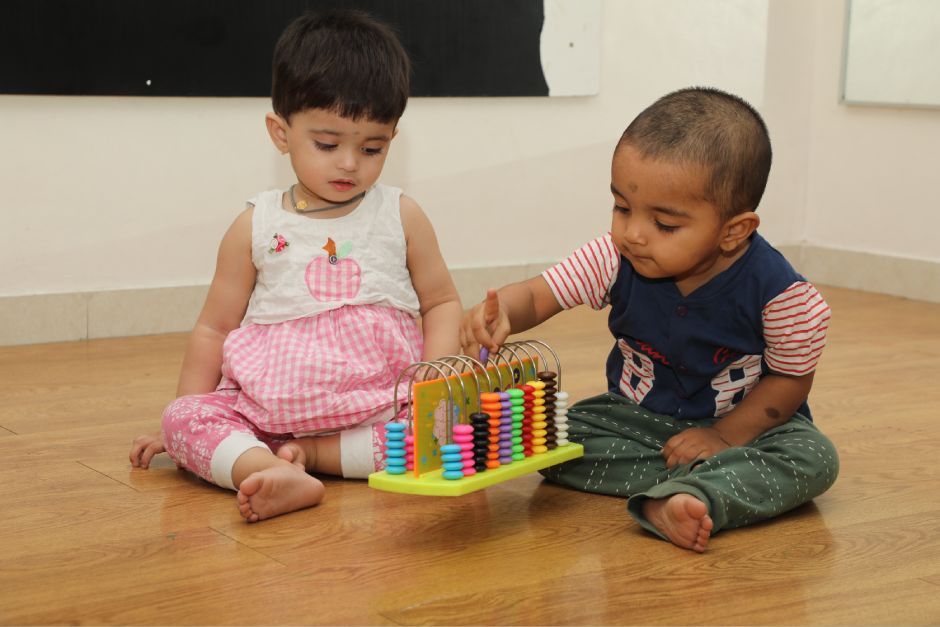
What happens when your child comes to you with a problem?
Usually many of us feel the urge to solve their problems. Even when our partner, friends or even parents express something that troubles them, we find ourselves looking for a solution to their troubles and many times feel free to give them those solutions too.
Our loved ones may speak to us about their problems either to get solutions from you, or get solutions by themselves while speaking out loud in the safe space they feel with you or just to blow off some steam and to process their emotions.
But most of us have the urge to immediately look for solutions. Most of us feel uncomfortable when we don’t find a solution instantly. Most of us cannot sit with the problem without looking for a solution. That’s how our minds are oriented through evolution.
But here’s an important consideration. When we want our children, or anyone for that matter, to learn to problem solve, we need to NOT solve their problems for them. Can we hold our urge to suggest solutions which seem obvious and simple to us? Can we instead support our child or our loved ones while they sit with the problem, look for solutions (both feasible and non feasible), try them out, learn from mistakes and eventually arrive at the effective solution and then eventually learn to be more and more efficient at this process?
Activity:
When anyone expresses their troubles to you, ask yourself- is this person looking for a solution from me or just support?
When your child comes to you with a problem, try to hold back from suggesting solutions. Join them and be with them to give support or to nudge them gently through exploratory questions.
Note: Asking “why don’t you try this?” (and then giving a solution) is not exploratory questioning.
Instead we can ask our child what they feel or think they should do and then help them with their experimentation rather than immediately telling them whether their solution is right or wrong.