
Rhythms begin for our baby as one of the earliest things to develop: the heartbeat.
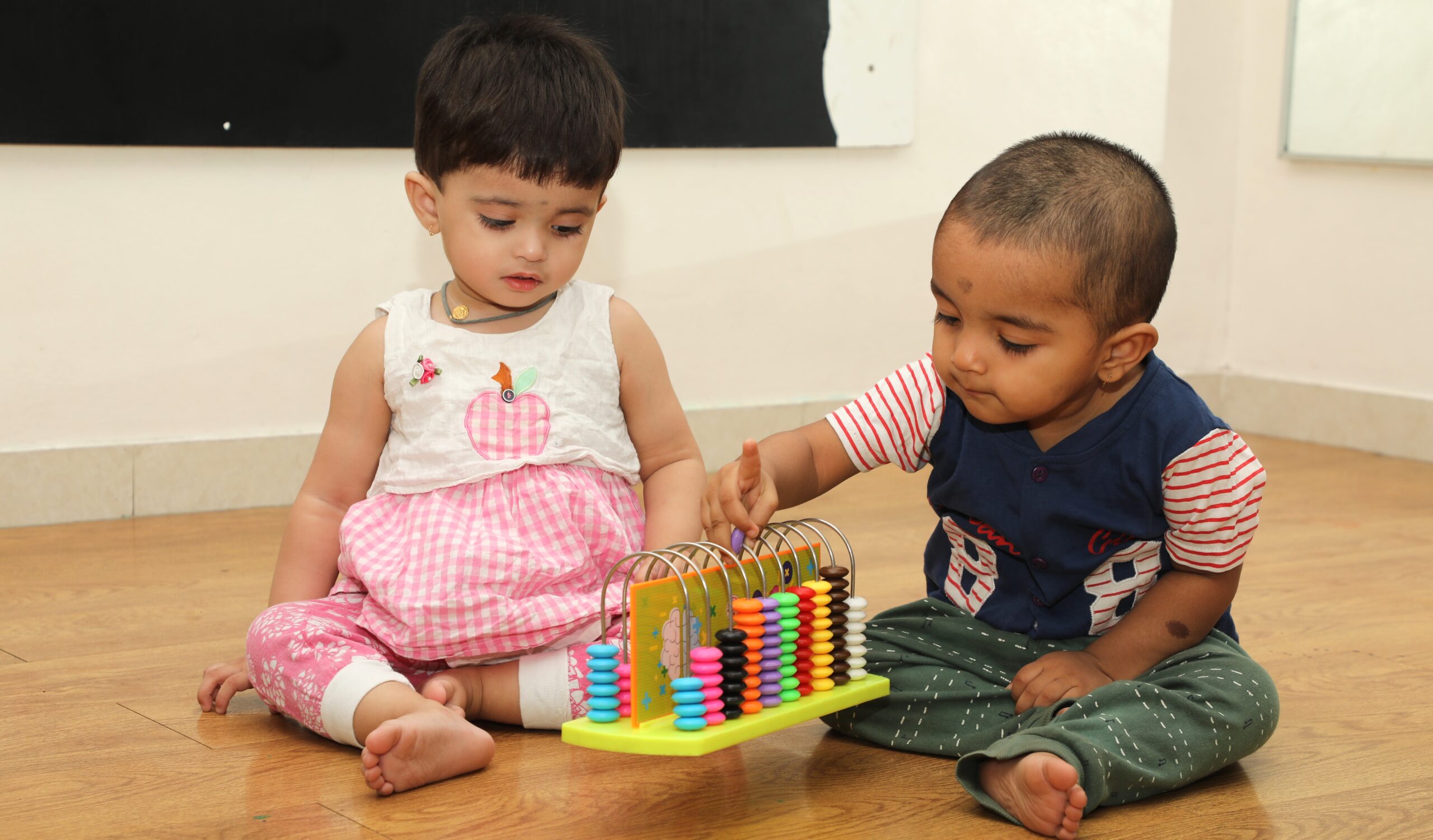
Then there’s a rhythmic breath, some reflexes like sucking, the rhythm of wakefulness and sleep, the rhythms of music and songs and so on which the baby accesses and enjoys. At one point, the baby begins to explore the surroundings. We soon notice that the baby repeats certain actions again and again, whether it is banging the same toy at the same place again and again or making the same sounds again and again or playing peek a boo and such games again and again. They also begin to ask for the same songs again and again and again.
These simple actions, repetitions and rhythms are in fact a solid source of safety for the child.
Have you ever noticed that when you go to a new workplace or start a new schedule, you take more time to get there on the first day and then the time taken gradually decreases as you ease into the rhythm. And then you are also able to enjoy the journey, notice things and trees and people along the way. The anxiety or apprehension on the first day slowly goes away with the safety that comes from the familiarity and the flow of the rhythm.
Similarly for the child, the rhythms created because of the repetitions create a sense of safety which becomes the foundation for further exploration.
Singing the same song or telling the same story or taking to the same places or rocking in the same pattern or using the same toys over and over again is a great way to make the child feel safe and even to soothe the child. Even the rhythm of your breath and heartbeat creates the sense of safety for the child when you hold them close.
Establishing routines of food and sleep and play becomes absolutely important.
Activity:
Observe your child and make a note of the existing rhythms and repetitions in your child’s life
Discuss with your partner/co-caregiver the ways in which different routines can be established for your child.
Try to keep the bedtime constant.
Make sure you allow your child to develop their own rhythms while you introduce yours.
(some of your rhythms resonate well with the child, others may not. Be mindful of this.)