aajol daycareAajol Daycare and Preschool
Every parent wants a daycare in Pune where their child is safe, healthy, and genuinely cared for—not just supervised. In the city’s fast-growing childcare in Pune landscape, knowing what truly defines the best daycare in Pune can feel confusing. This guide simplifies the non-negotiable standards for safety, hygiene, and developmental excellence.
We believe that peace of mind is the foundation of early learning. A facility cannot reliably foster holistic growth if its environment introduces physical or health risks. The core goal of a premier daycare center is to establish a predictable and secure setting where your child feels safe enough to thrive.
I. Pillar One: Uncompromising Safety Standards and Security
Safety is the first measure of a trusted daycare Pune. It goes far beyond having basic gates; it requires institutionalizing operational excellence across infrastructure, technology, and personnel.
1.1. Infrastructure: Engineered for Child Safety
The best daycare in Pune employs comprehensive hazard mitigation strategies, transforming the environment into a fortress against common childhood injuries.1
- Child-Proofing: All electrical outlets must be covered. Hazardous products are locked securely in latched cupboards. In the kitchen, simple rules—like prohibiting tablecloths—prevent a child from pulling hot items down, eliminating risk before it can occur.1
- Preventative Maintenance: All play equipment, cribs, and furniture must meet international safety standards (CPSC/ASTM) and undergo systematic preventative maintenance.2 This ensures that safety features never degrade over time, translating the initial investment into sustained, reliable protection.
- Fall and Injury Prevention: Mandatory anti-slip mats in bathrooms, secure locking of windows and balconies, and the universal application of edge bumpers on all sharp furniture are non-negotiable requirements.1
1.2. Technology: Advanced Security and Peace of Mind
Technological surveillance is a core feature of accountability for a premium daycare center.
- High-Resolution CCTV: Cameras must cover all learning and play areas, entrance/exit points, corridors, and napping rooms.3 This policy provides assurance to parents regarding their child’s well-being.4
- Technical Mandates: All recordings must maintain a minimum resolution of 1080P to guarantee clear visual evidence. Footage must be retained for at least 30 days.3 This retention period is essential for liability management, allowing managers to conduct thorough, objective reviews should an incident or allegation surface days or weeks later.
- Staff Vetting: All staff members must undergo complete background checks prior to having contact with children.2 Furthermore, specialized training in SIDS prevention and safe medication administration is mandatory—basic first aid alone is insufficient for a Kids daycare.2
| What This Means for Your Child |
| Fewer Injuries: A rigorously child-proofed facility means fewer trips and falls, and zero access to hazards. |
| Trained Caregivers: Staff know how to prevent SIDS, handle emergencies, and administer medication safely. |
| Emotional Security: Knowing the environment is secure allows your child to explore and play freely, supporting healthy emotional growth.6 |
See how Aajol implements these safety measures. Witness our secure entry points and trained staff protocols firsthand.
II. Pillar Two: Unyielding Hygiene and Health Management
Rigorous hygiene is a clinical standard in a high-quality daycare in Pune. This requires structural safeguards and clinical procedures to prevent the rapid spread of illness among children.
2.1. Food Safety: Beyond Cleanliness
Food safety must adhere to the highest possible standards to protect children from foodborne illness.
- Structural Separation: The facility design must maintain an absolute physical separation between areas for toileting/diapering and all zones designated for preparing food, cooking, or eating.2 This structural control minimizes the risk of contamination, which is a major pathway for pathogens.7
- Proactive Control: Adopting systems based on HACCP (Hazard Analysis Critical Control Points) principles mandates the identification and monitoring of points where biological hazards can enter the food stream.7 This systematic approach ensures food safety is managed like a commercial-grade operation.
- Widespread Responsibility: Due to frequent contact, all personnel—not just food service staff—must be trained in safe food handling practices.7
2.2. Clinical Cleaning and Infection Control Protocols
Achieving the status of a hygienic daycare in Pune relies on precise adherence to chemical and procedural standards.
- Two-Step Disinfection: Surfaces must first be cleaned with soap and water to remove debris, and only then should an EPA-registered disinfectant be applied.8
- The Contact Time Rule: Staff must strictly adhere to the specified “contact time” listed on the disinfectant label, ensuring the surface remains wet for the full duration to guarantee sufficient germicidal action.8 This prevents ineffective disinfection and a false sense of security.
- Personal Hygiene: Proper waste management (no-touch bins) and mandatory handwashing with soap and water for a minimum of 20 seconds after handling waste, tissues, or after using the bathroom are crucial protocols.8
2.3. Mandatory Illness Exclusion Policies
A premier daycare center must maintain a specific, non-negotiable set of guidelines for managing infectious diseases to protect the enrolled population.
| Symptom/Condition |
Action Required |
Re-Entry Rule (The 24-Hour Standard) |
| Fever / Acute Respiratory Illnesses |
Exclusion is mandatory. |
Fever-free for 24 hours without the use of a fever-reducing medication AND symptoms are mild and improving.10 |
| Strep Throat |
Exclusion is required. |
After 24 hours of antibiotic therapy AND resolution of exclusion criteria.10 |
| Vomiting |
Exclusion is required. |
When vomiting has fully resolved and the child meets other exclusion criteria.10 |
This strict 24-hour fever-free rule without medication is critical, as it prevents staff or parents from masking a child’s contagion with medicine and bringing them back too soon.
Trust our health and hygiene protocols. Explore our detailed hygiene and health protocols to understand how we keep the environment clean and safe.
III. Pillar Three: Fostering Holistic Growth in Kids Daycare
The ability to deliver exceptional holistic growth stems directly from the secure and hygienic environment established in the first two pillars.
3.1. Intentional Curriculum: From Care to Cognitive Growth
A leading Kids daycare utilizes intentional Early Childhood Education (ECE) frameworks. The environment itself is viewed as an extension of the pedagogy 11, designed to support structured, safe play and cognitive exploration.
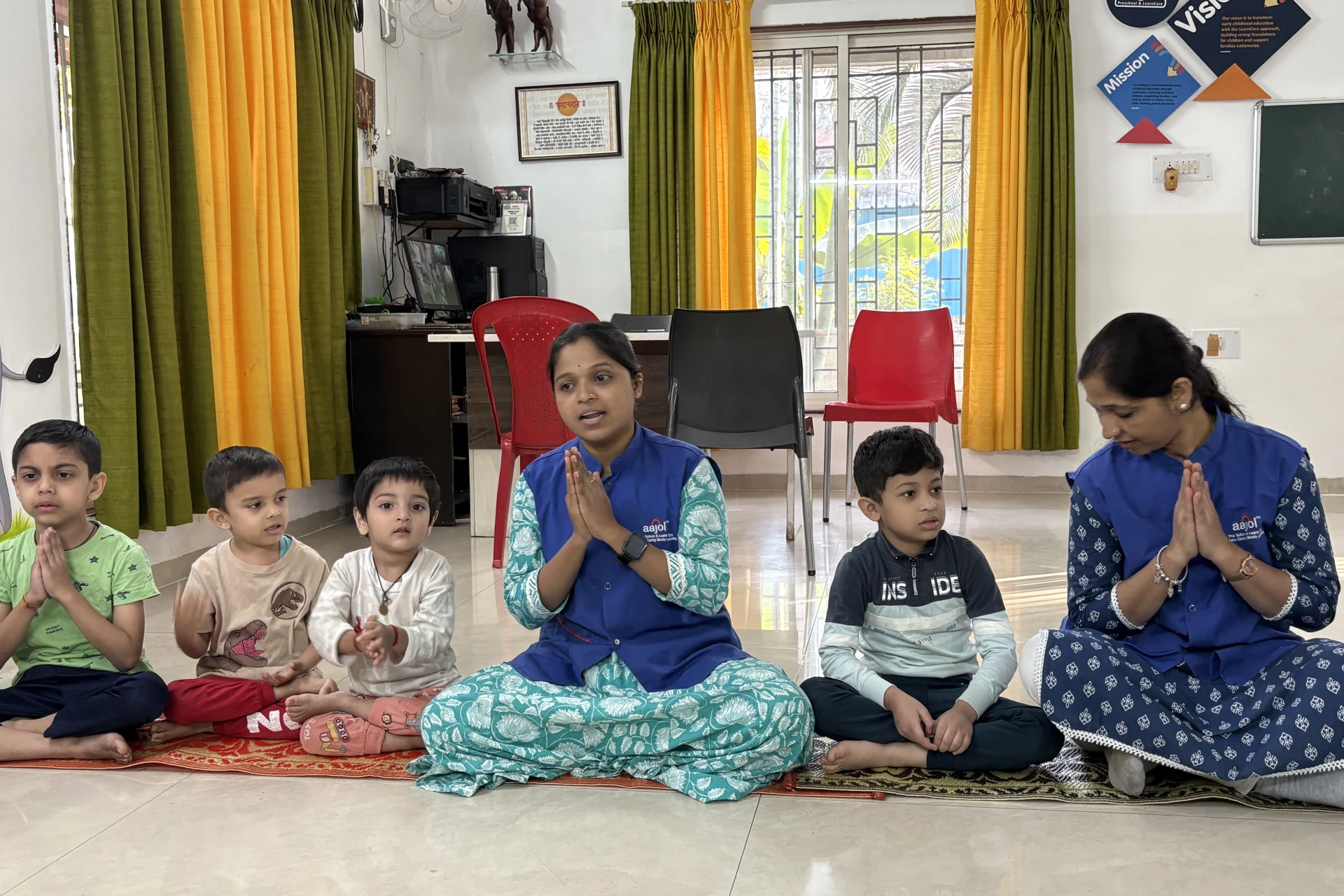
- Aajol LearnCare Approach: Aajol’s proprietary LearnCare philosophy emphasizes overall cognitive, social, emotional, and physical growth . This commitment helps children explore endless possibilities in learning while providing a safe, nurturing environment.12
- Developmental Segregation: A non-negotiable safety and developmental standard is the strict protocol for the separation of infants/toddlers from preschoolers during play.2 This minimizes injury risk and ensures staff can deliver curriculum tailored to the specific needs of each age group.2
3.2. Parental Partnership and Emotional Support
We treat parents as integral partners in a child’s development journey. The transparency established through rigorous safety protocols (like CCTV) establishes a foundational trust.4
- The Reconnection Ritual: Aajol mentors encourage specific Reconnection Rituals designed to nurture the parent-child bond after pickup.14 Parents are advised to dedicate 10–15 minutes of focused, positive attention (playing, laughing, or holding them close) without distractions or imposing instructions.14 This simple act reinforces the emotional security that is vital for sustained positive developmental outcomes.
V. Conclusion: Making the Confident Choice in Childcare in Pune
Choosing the best daycare in Pune requires a paradigm shift from conventional childcare to a highly regulated, technically supported operational model. The analysis confirms that excellence in holistic child growth can only be achieved when operational compliance with safety and hygiene standards is absolute and verifiable.
For families seeking a trusted daycare Pune that champions these high standards, look for the following:
- Verifiable Safety: A 1080P/30-day CCTV system and mandatory preventative maintenance.
- Clinical Hygiene: Structural separation of toileting and food prep areas, and strict adherence to the 24-hour fever-free rule.
- Intentional Growth: Age segregation during activities and a commitment to emotional and social development through programs like LearnCare.
Only through this commitment to systemic, measurable operational discipline can a daycare center guarantee a maximally safe, hygienic, and enriching environment.
Give your child the lifelong advantage of intentional, joyful learning.