
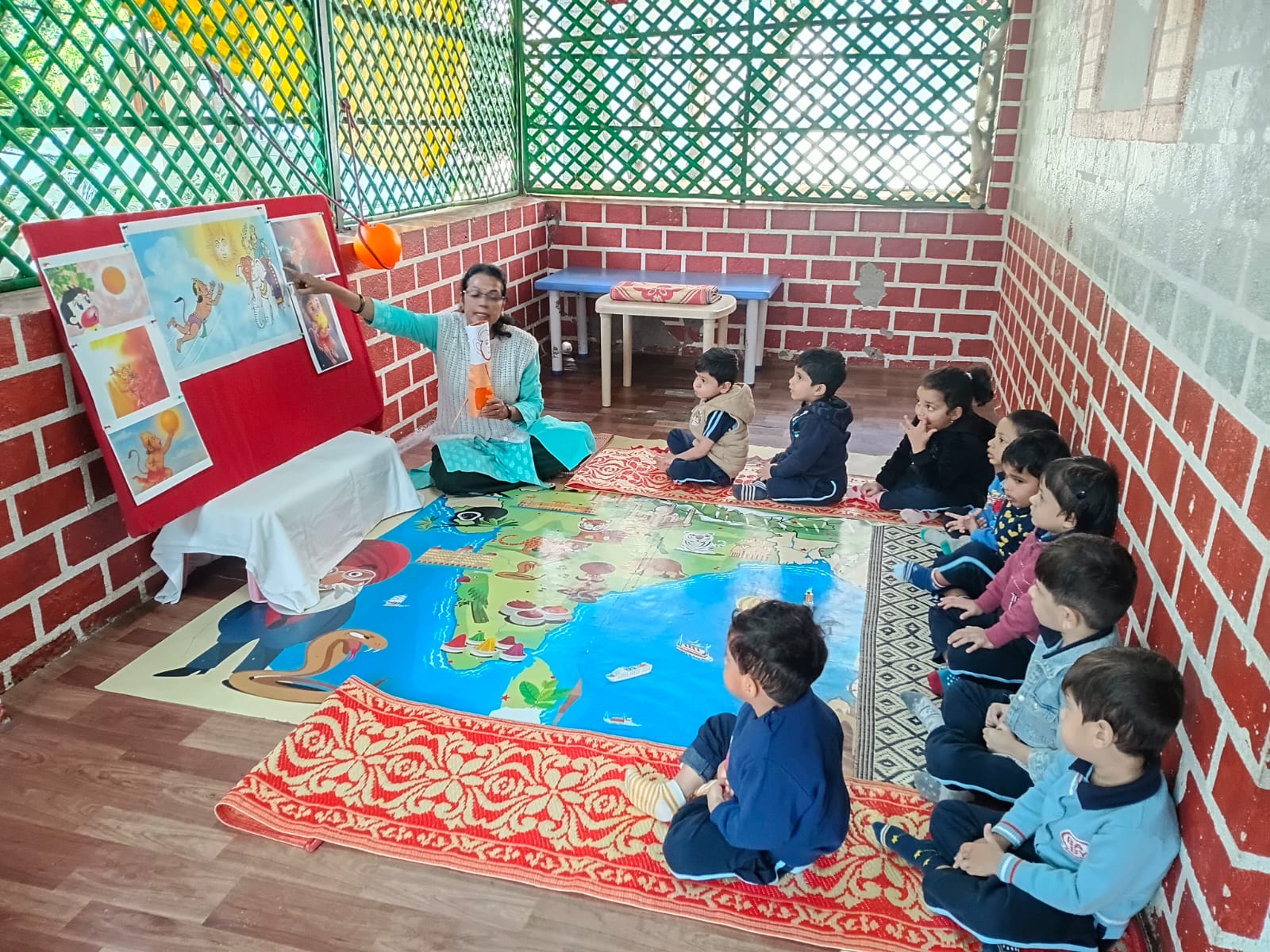
Choosing a daycare school is one of the most significant decisions you will make as a parent. It is the first step your child takes away from home and into a world of structured learning, social interaction, and independence. It isn’t just about finding a place for your child to stay while you work; it’s about finding an environment where they can thrive, feel safe, and begin their educational journey.
In this guide, we will explore why the right daycare school matters and the essential factors you should consider to ensure your child’s first “school” experience is a positive one.
In the past, daycare was often viewed simply as supervised playtime. However, modern childcare has evolved. Today, a high-quality daycare school integrates early childhood education into the daily routine. These institutions understand that the first five years of a child’s life are the most critical for brain development.
By choosing a facility that functions as a school rather than just a sitting service, you are giving your child access to:
When touring potential centers, it is easy to get overwhelmed by colorful walls and cute toys. To make an informed choice, focus on these four critical pillars:
Even for toddlers, a curriculum is vital. Ask the director about their educational philosophy. Do they follow Montessori, Reggio Emilia, or a play-based approach? A good daycare school will have a daily schedule that balances:
Safety is non-negotiable. Ensure the school has secure entry points, child-proofed rooms, and a clear protocol for emergencies. Beyond physical safety, look at the hygiene standards. Are toys sanitized regularly? Is there a strict policy for sick children to prevent the spread of germs?
The “teachers” at a daycare school are the most important factor in your child’s experience. Look for staff who are not only qualified in Early Childhood Education (ECE) but who also show genuine warmth. During your visit, observe how the teachers interact with the children. Are they down on the floor at the child’s eye level? Do they speak calmly and encouragingly?
One of the biggest benefits of a daycare school is the opportunity for children to interact with their peers. This helps them build essential social skills, such as conflict resolution and teamwork, which are much harder to learn in a home environment.
To help you narrow down your search, here is a checklist of questions to ask during your tour:
Enrolling your child in a reputable daycare school sets the foundation for future academic success. Studies show that children who attend high-quality early childhood programs often have higher graduation rates and better social skills later in life.
They enter Kindergarten with a “school-ready” mindset—they know how to follow a routine, listen to instructions, and engage with their classmates. This transition is much smoother for children who have already spent time in a structured daycare environment.
Statistics, certifications, and curricula are important, but never underestimate your gut feeling. When you walk into a daycare school, does it feel joyful? Do the children look engaged and happy? Does the staff seem stressed or supported?
A great school will be transparent, welcoming, and eager to answer your questions. They should feel like partners in your child’s upbringing, not just a service provider.
Finding the right daycare school is a journey that requires research and patience. By focusing on a balance of education, safety, and emotional support, you can find a second home for your child that fosters a lifelong love of learning.
Your child’s bright future starts with the very first “hello” at the classroom door. Take the time to find the place where they feel they truly belong.
Frequently Asked Questions
Most daycare schools accept children as young as 6 weeks, but many parents begin the transition between 12 and 18 months. At this stage, children start to benefit significantly from social interaction and structured play.
While the terms are often used interchangeably, “daycare” generally offers more flexible hours for working parents and care for younger infants. A “daycare school” or preschool usually follows a more structured educational curriculum and focuses on school readiness for children aged 2 to 5.
Start with short “transition” visits. Talk positively about the school at home and establish a consistent drop-off routine. Most children settle in within 1–2 weeks once they build trust with their teachers.
Look for a balance of “active learning” and “structured play.” A quality curriculum should include language development, fine motor skills (like drawing or building blocks), and social-emotional activities that teach sharing and empathy.