


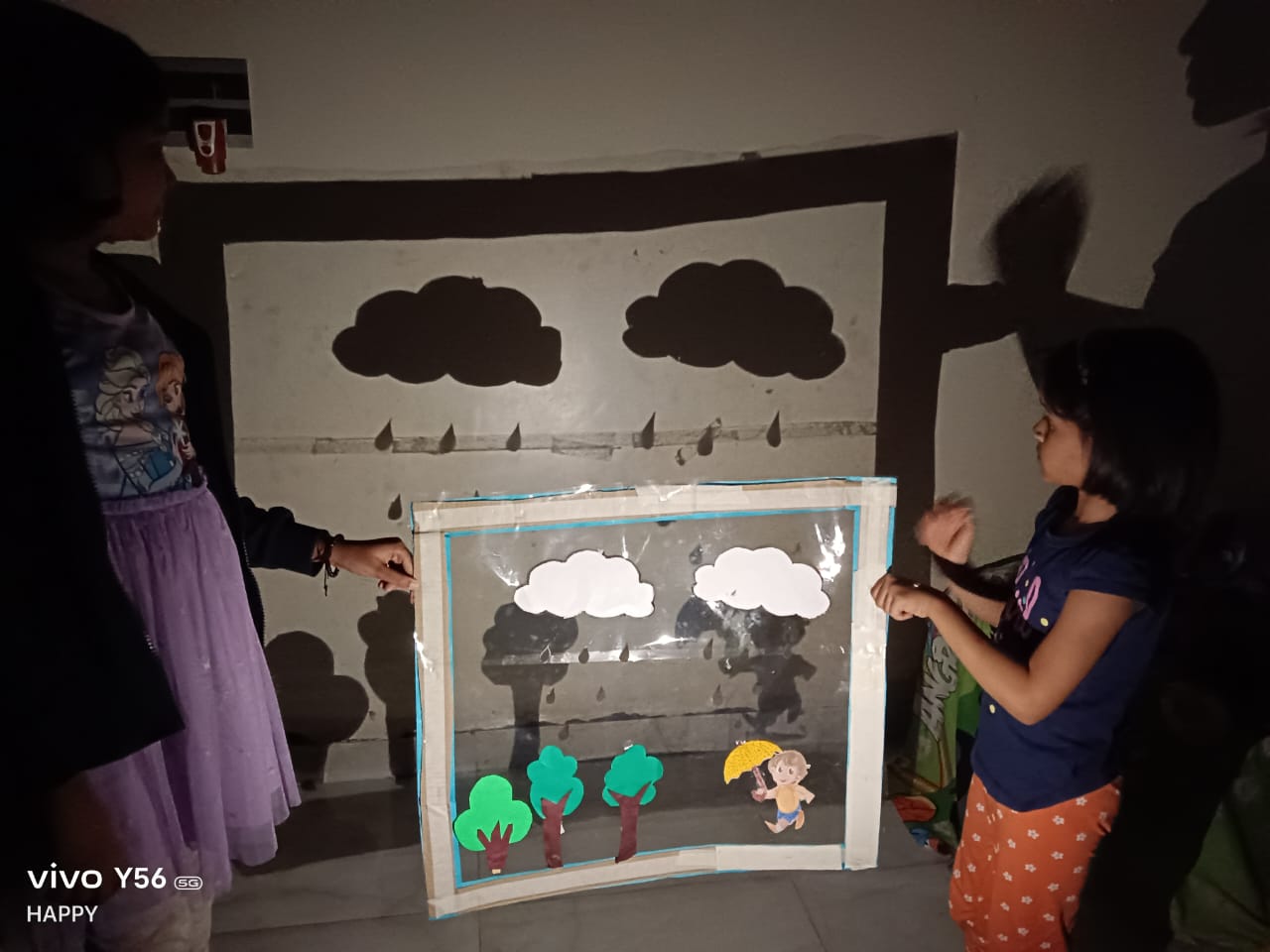
Here’s an activity you can do daily with your child. This can contribute to improving the child’s memory. In addition, it gives you an opportunity to help the child deal with their emotions. It also helps nurture the connection between you and your child. Aajol’s learncare program have fun games and activities for childhood within the preschool and daycare. This
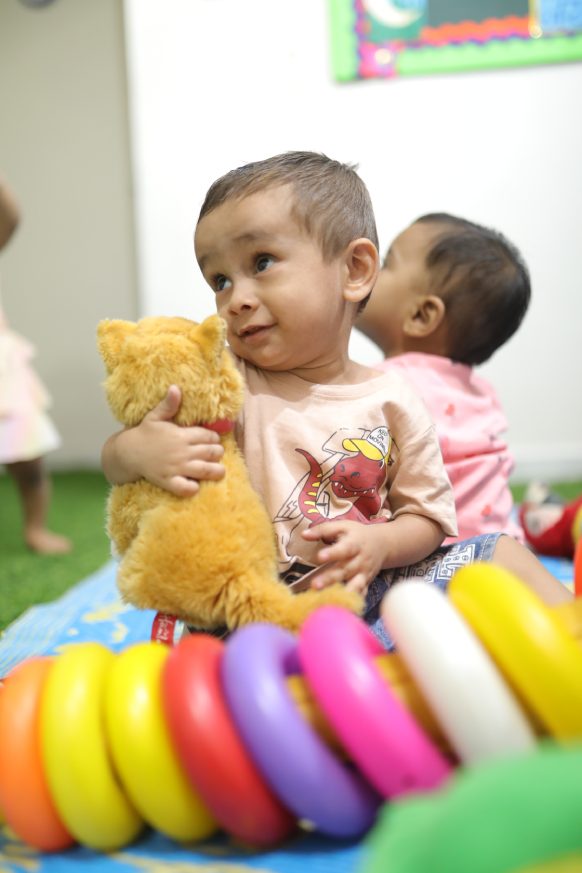
Think of a time you were upset most recently. What were all the emotions you experienced at that time? Were you upset, sad and angry, all at once? Experience of emotions becomes more and more complex with the neurological and social development of our child. Early on when the child experiences an emotion, such as anger for example, they experience only anger intens

Purpose is an inherent intention in children’s life since birth. Every reflex they possess at birth serves a purpose. Every movement or action they make after birth is towards the purpose of walking or talking or growing and so on. Later, in our social life or professional life, we sometimes need to engage in activities which may seem meaningless at the time. Think
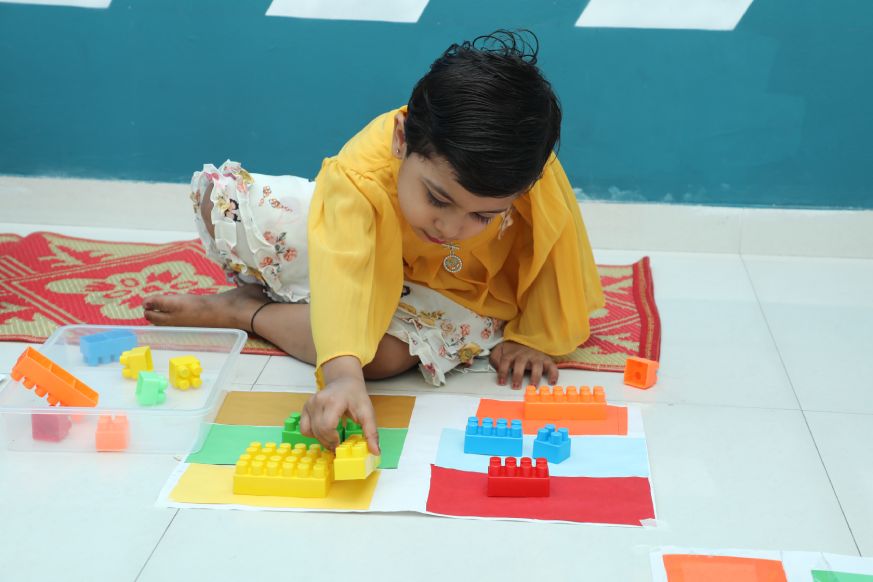
As the social horizons of our child expand, the child starts learning new concepts from their social environments. Concepts such as competition- doing things faster than others, being taller or stronger than others, running faster than others etc. catch on in the thought processes of our child. You may observe that collectively, we celebrate physical strength- whic
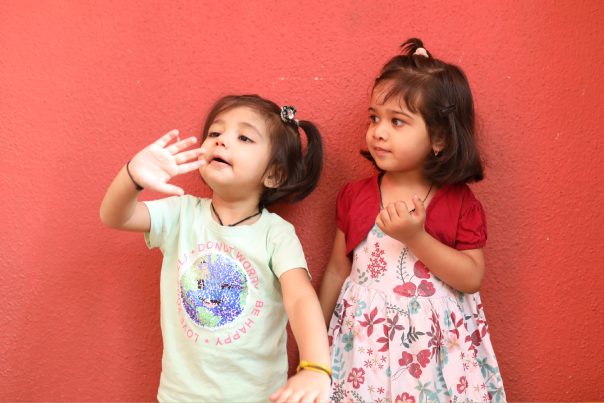
Don’ts: Don’t respond with anger or aggression or by getting upset. Don’t give an intense reaction. Don’t shame or guilt the child. Don’t label your child for hitting. Don’t discuss “my child hits” as a problem in front of your child with others. Don’t try to convince the child of anything at that moment. Don’t leave the chil

It is distressing watching our child hitting others and ourselves. Our mind may react in many conditioned ways. We may end up feeling anger towards our child or may want to urgently teach our child how it’s not ‘good’ behaviour. We may also feel that getting hit by the other child as a response would be fair too. We may express how upset we are with our child fo

Do you gossip about your child? Does that include more positive or negative things about the child? Sometimes it becomes absolutely necessary to blow off the frustration through simply gossiping about your child and the difficulties you face with a compassionate adult, preferably in the same boat as yours. Sometimes the frustrations couples with daily stressors
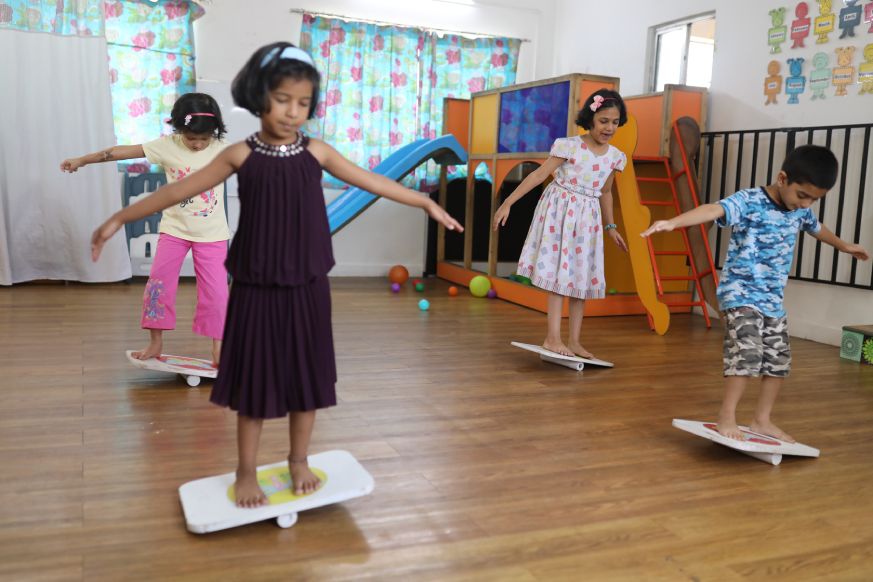
"If you are hurt, let's put on some medicine and it will get better." “Let’s go to the doctor and the doctor will make you feel all better.” These responses come instantly to many of us. Many of us also pretend to perform some magic and heal the child when hurt. In truth, our bodies have the intelligence and mechanisms to heal themselves. The moment
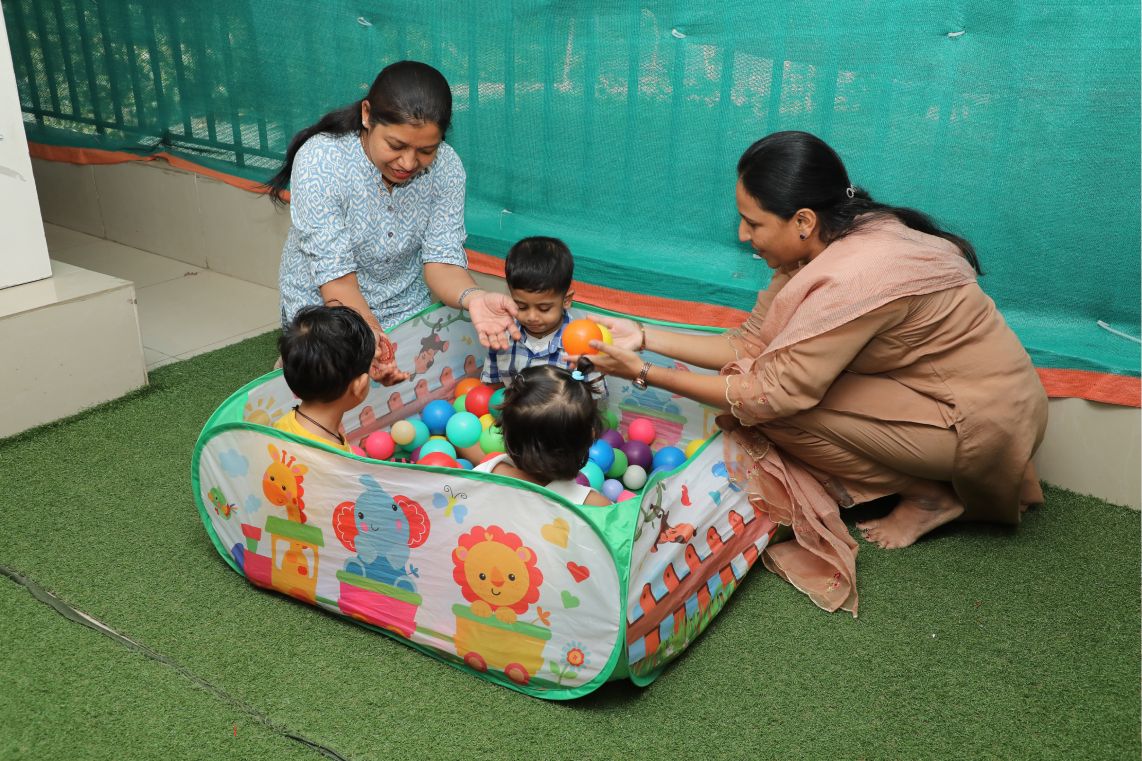
What happens when your child comes to you and says “I am bored”? You may find yourself instantly giving the child suggestions to get rid of the boredom. When our child is bored, we take it upon ourselves to solve this ‘problem’ of boredom instantly. Most of us may also experience that our child rejects most of our suggestions which also makes the process
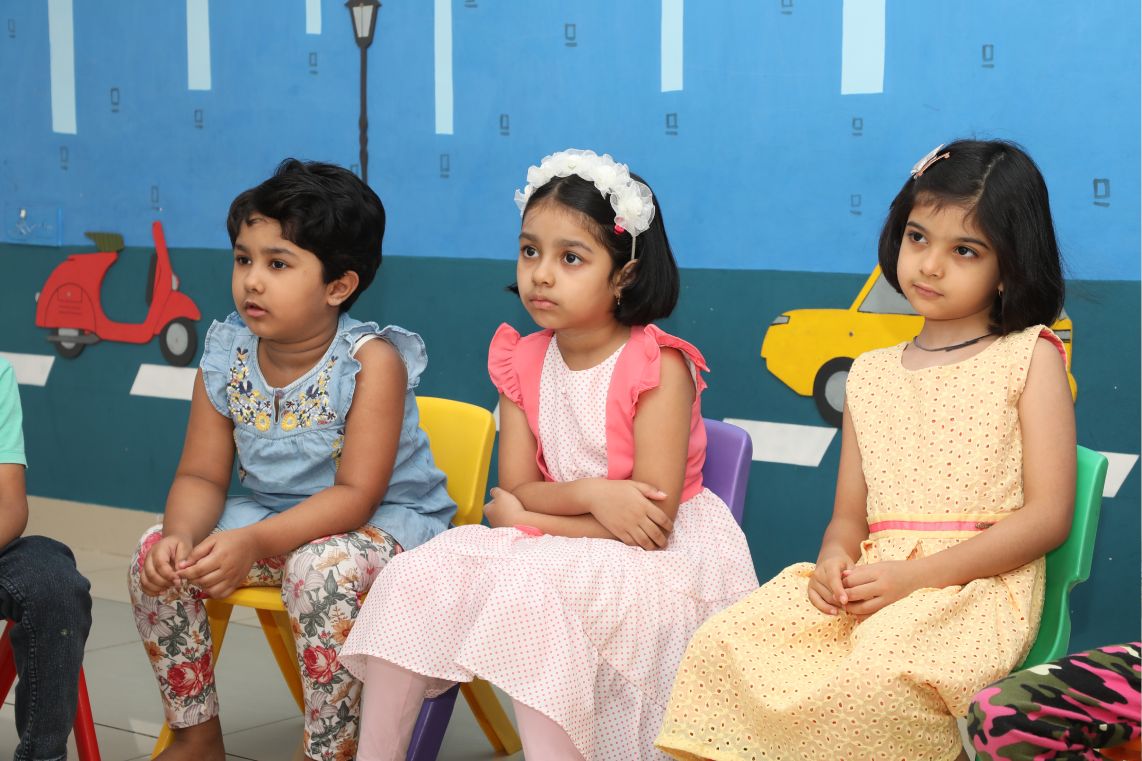
We all want our child to be respectful towards us. We get more triggered if our child (or anyone for that matter) is not respectful to us in social situations or in front of people. And yet sometimes we find ourselves in social situations speaking harshly to our child or losing temper or threatening to punish them or exercising our power or mocking the child or tea
