


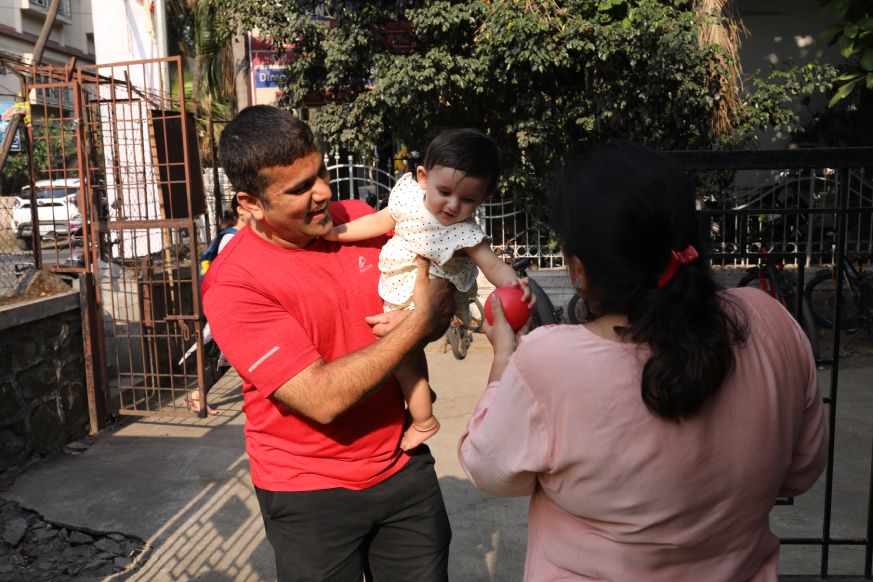
The process of pregnancy, labour and the birth has much to it than meets the eye. Apart from the visible shifts in the body, many invisible processes take place. The labour involves certain shifts which are traumatic for the body, especially because the modern medical process of birth involves routine surgical interventions and does not take into account th
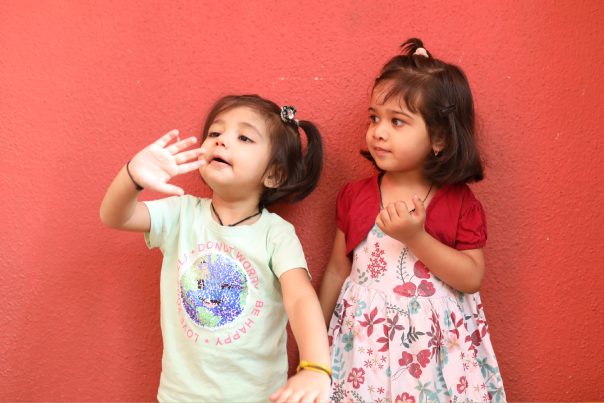
Do you feel the urge to remove your child’s hand from their mouth whenever they put it in their mouth? During the first couple of years, this urge comes up innumerable times since the baby puts their hands in their mouths a lot and for a long time. Here’s the hard reality, no matter how many times you ask them not to do it or remove it yourself, th
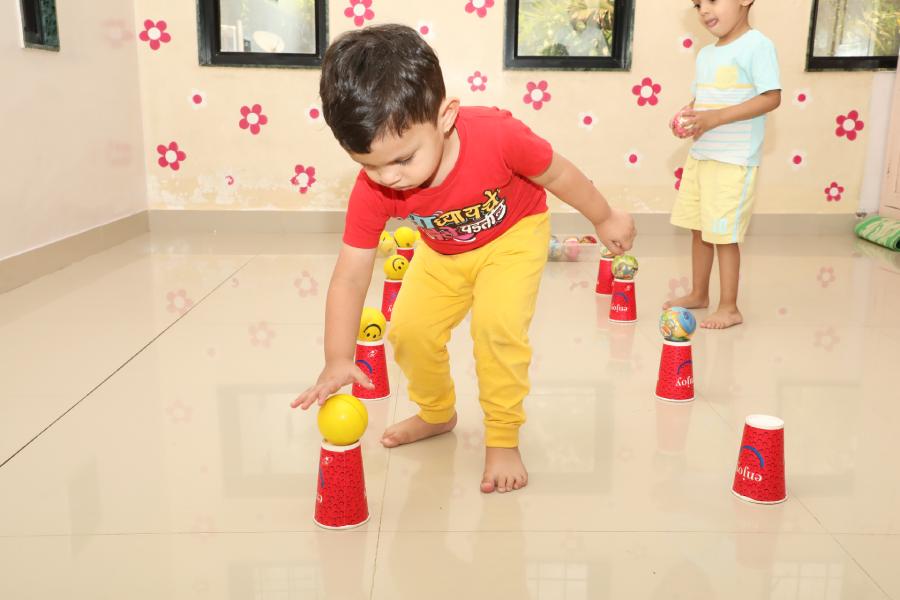
“Shhhhhh…” “Don’t shout!” “No shouting!” “Look at that other child. Is he shouting? No. Don’t shout.” “Look she is a good girl, she doesn’t shout, she is quiet.” “What’s wrong with you? Why are you shouting?” These are some of the responses some parents give to their shouting child. B

What is a home for you? How does it feel ‘at home’? How do you think you want to feel ‘at home’? It can be many specific things but for most people, feeling ‘at home’ means they want to feel seen, acknowledged, understood, accepted, appreciated, loved, cared for, safe, free (in an ideal “Home’). At home, one can openly show their authentic thoughts a
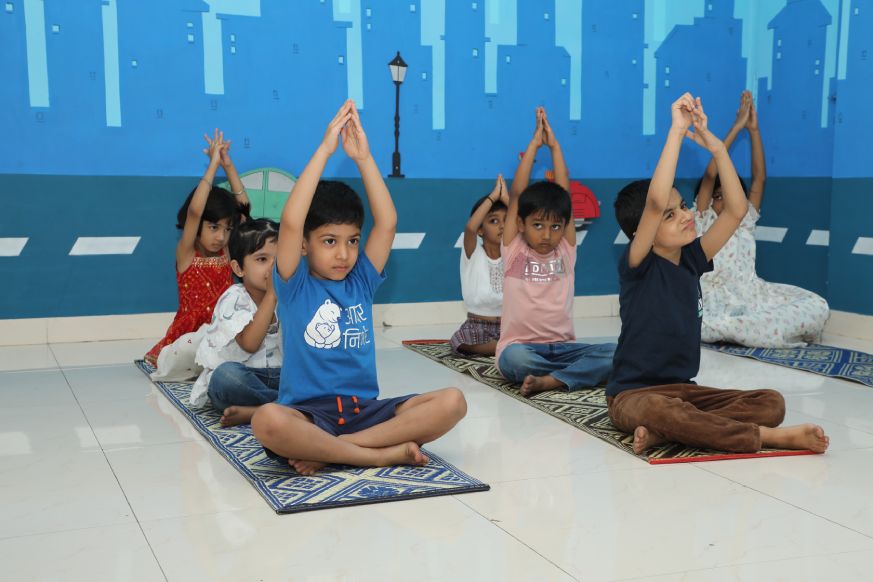
The best way to build wellbeing practices into our child’s routines is to also build them into our routine. Here are some practices. Imbibing love in the body: We can build a massage into the daily routine of our child wherein as we massage each body part of our child with all the love in our heart that we hold for them, we can express love and grati
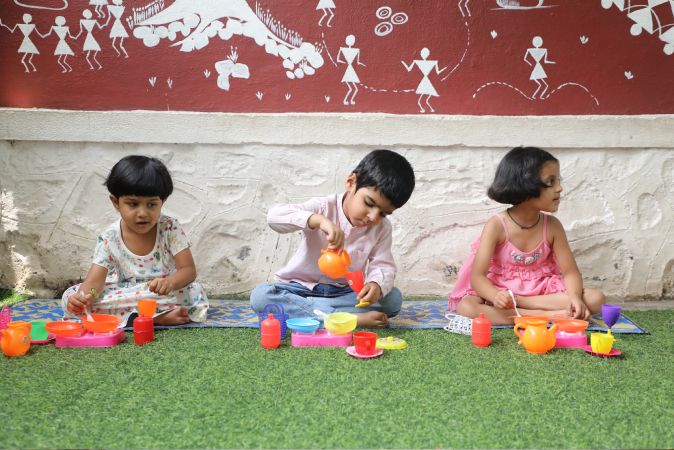
Wellbeing is unfortunately not built into today’s world experience. The pace and demands of life make it crucial that we build practices that orient us to our wellbeing in our daily routines. Many adults find themselves struggling with life and looking for ways to actively achieve wellbeing. Looking at the increasing need for actively seeking wellbeing in the comi

Children are often told that when they do something or don’t do some things, it makes us sad or angry. “I have made this so lovingly, if you don’t eat it, I’ll feel bad.” “Give me a hug, otherwise I will feel sad.” “When you shout, you make me feel angry.” These things are said with good intentions and/or with a lot of l
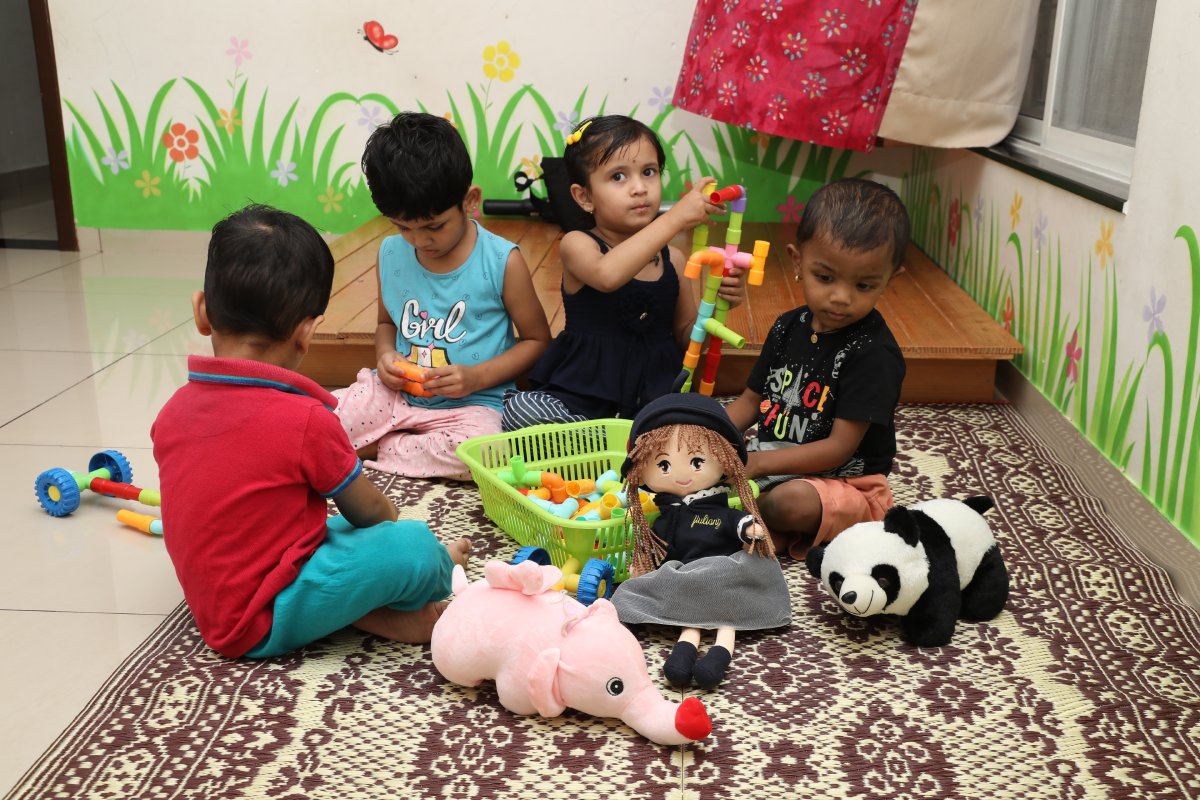
Do we want our child to apologise for their mistakes? Do we want them to just say the right words of apology or do we want them to empathise with others and feel the need to apologise out of compassion and morality and mean the words they say? Do we apologise as a practice in our life when we know we have made a mistake? Do we apologise to our partner when ne
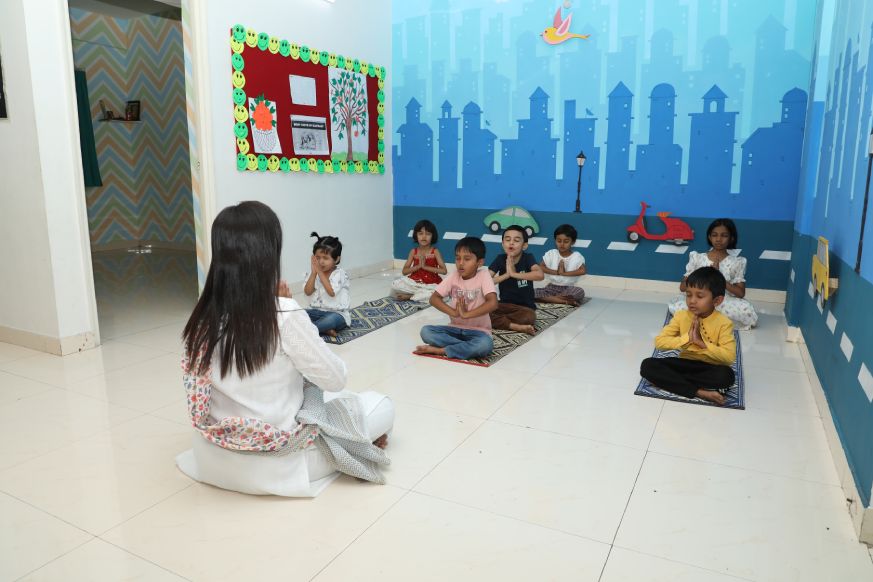
We all want to discipline our child. Here are some myths about discipline. A disciplined child is an obedient child. Discipline can be induced only through fear. Discipline is something to enforce on the child. Expressing too much love or giving autonomy will hamper discipline. Disciplined child always behaves in a way that is ac
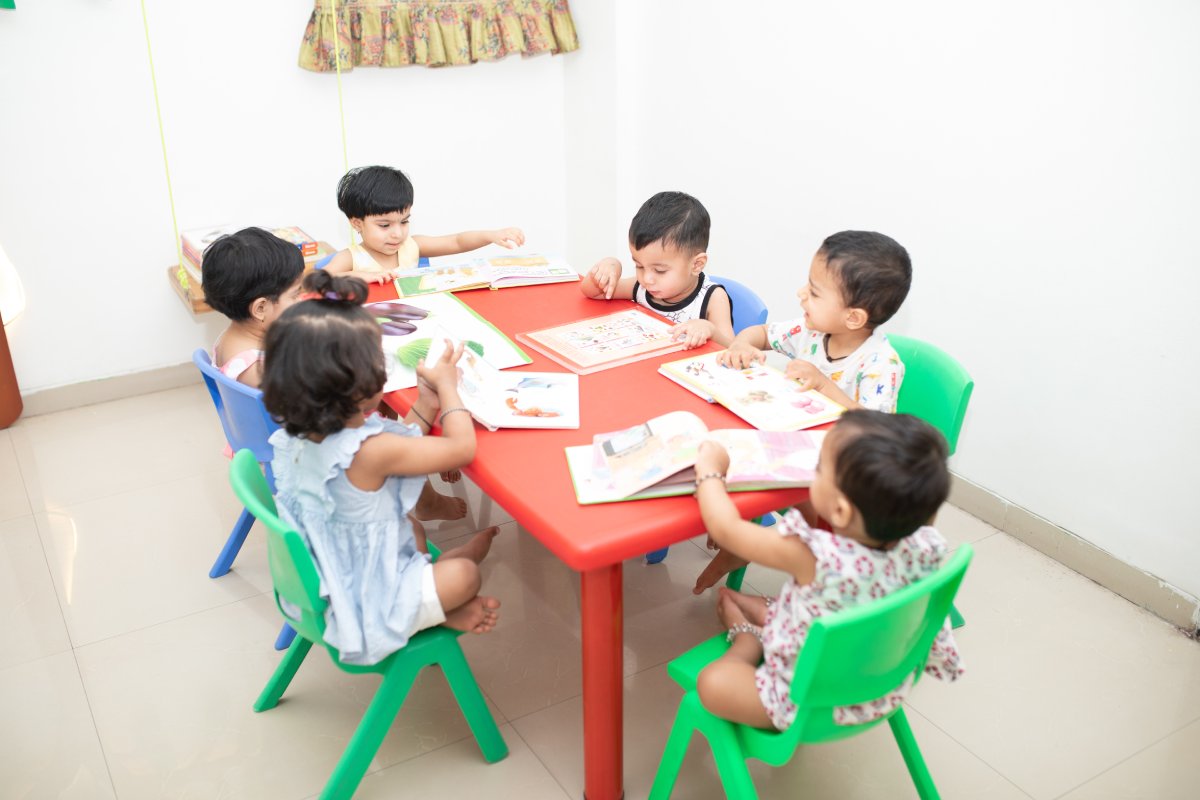
It is natural for parents or adults to ask our children what they did at school or at home while the parents were away. Usually many parents have a common complaint that the child doesn’t share what they did. Even if the child shares, here’s a thought. Children learn heavily through modelling. When we meet our child after the child returns from school or
