


When our babies grow up, many parents find themselves wondering what it was that they were so occupied doing during the baby’s first year. Endless things are happening during the first year for us. Here are a few examples. Reorientation to the shifted anchor of life Reorientation to the new role of a parent Understanding the ba

“Don’t cry.” “stop crying.” These words are among the most common words used with kids. The truth is that crying is a distinct form of communication which we use from our first day into this world. Additionally, here are few ways in which crying helps us: The caregiver is biologically wired to respond to it Cryin

Have you lied to your child?Perhaps your child was asking too many questions when you were utterly tired or when you didn’t have the time to go into the details? Perhaps the child asked a difficult question and you would have had to really think about how to simplify the concept or you didn’t think the child would understand? Have you lied to others in fr
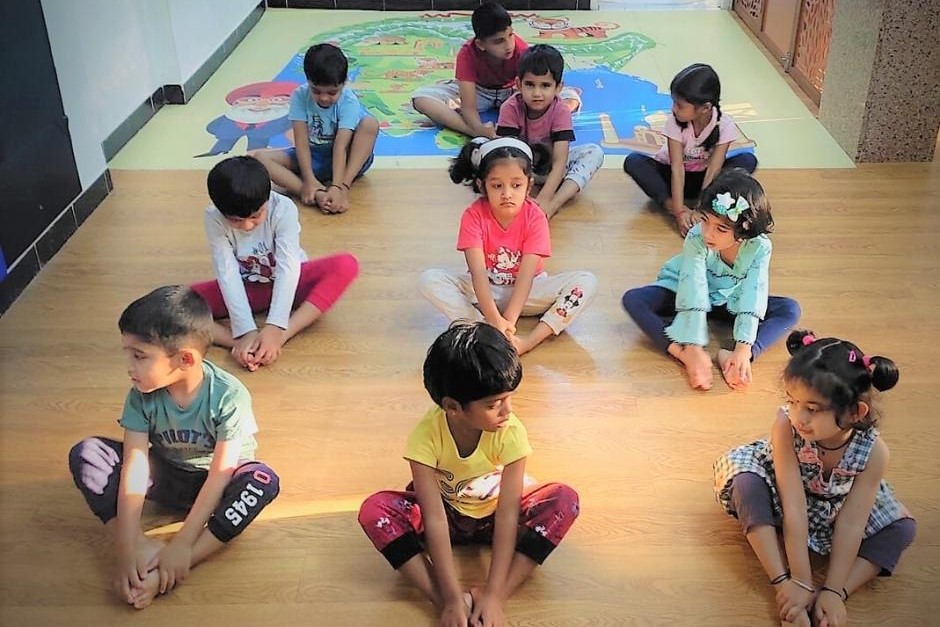
The journey of childhood can be seen as the journey from helplessness to autonomy. A child as young as a toddler yearns for autonomy and independence. At the age of four or five the child has a few skills more than a toddler eg. better physical coordination, better developed motor skills, better language skills, empathy, better understanding of cause and effect etc.
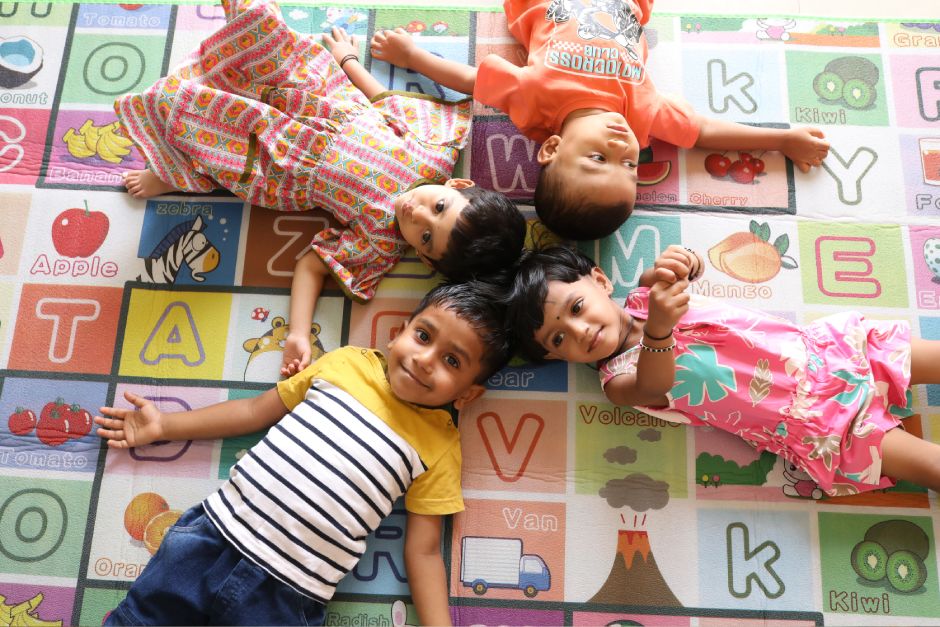
The curiosity of a child to learn about the world around is natural and abundant. Children naturally ask questions even before they can form proper sentences. They take in our answers and integrate them with their worldview. At this age, because of more sophisticated language skills, children become more articulate about their thoughts and ideas. This provides us wi
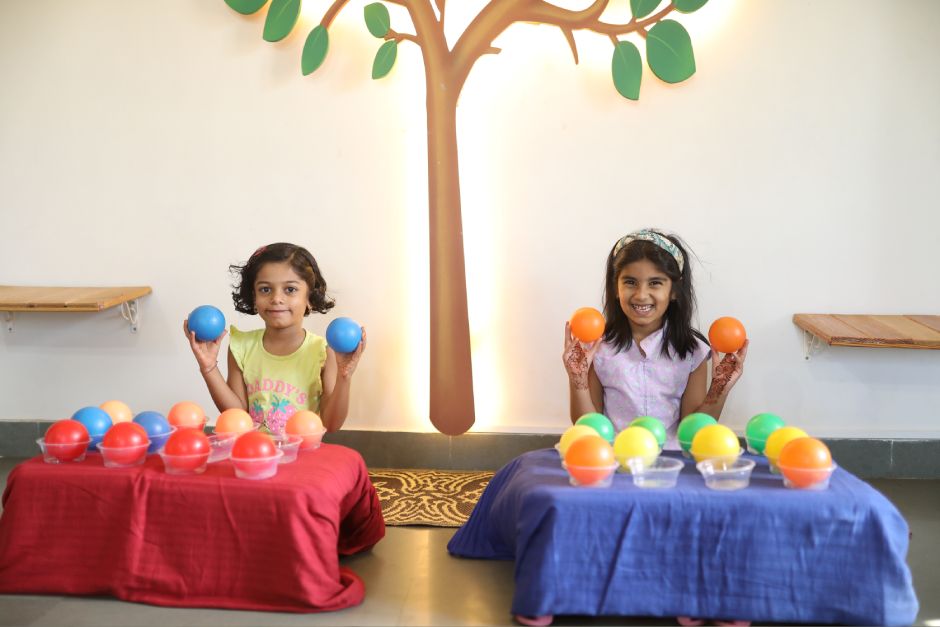
Most of us have compared ourselves with others at some point in our life. Many of us do it habitually. Have you ever thought how liberating life could feel if we stopped comparing ourselves to others? The habit to compare ‘unnecessarily’ begins to build as early as two or three years of age. Often we hear others or ourselves saying these dialogues.
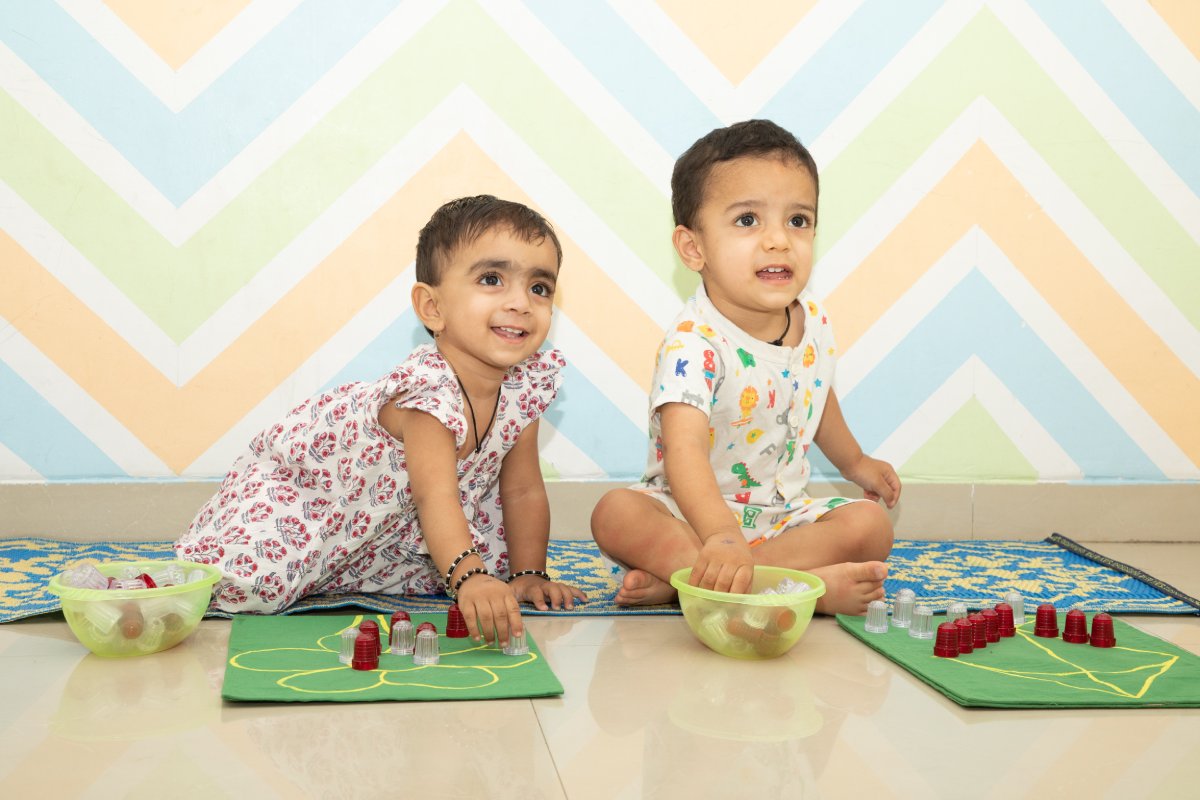
Toddlers are on an endeavour to understand the world and themselves. They tend to quickly believe what we tell them (directly and indirectly) about themselves and the world. The foundation of self-concept- an idea of themselves that will inform their entire life- is built at this age. Therefore, it becomes absolutely important to separate what they do (their
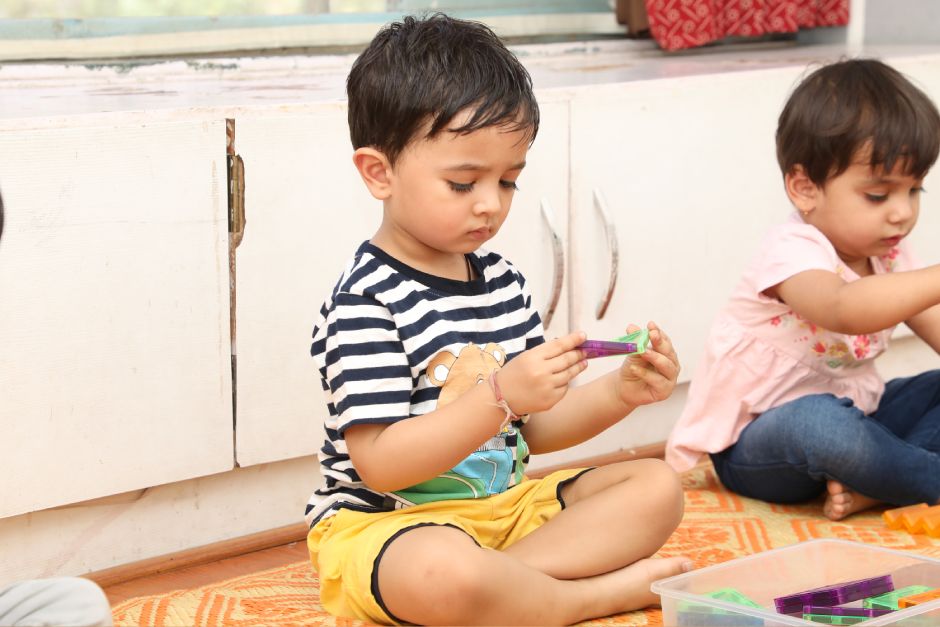
“Don’t be afraid!”Has this dialogue really helped to stop us from feeling fear in any situation at any time at any age? It may help us suppress fear or deny it but definitely not to deal with it. But we hear ourselves and others saying this dialogue to children time and again.Here’s something to understand.Fear is an emotion that we are biologically programm
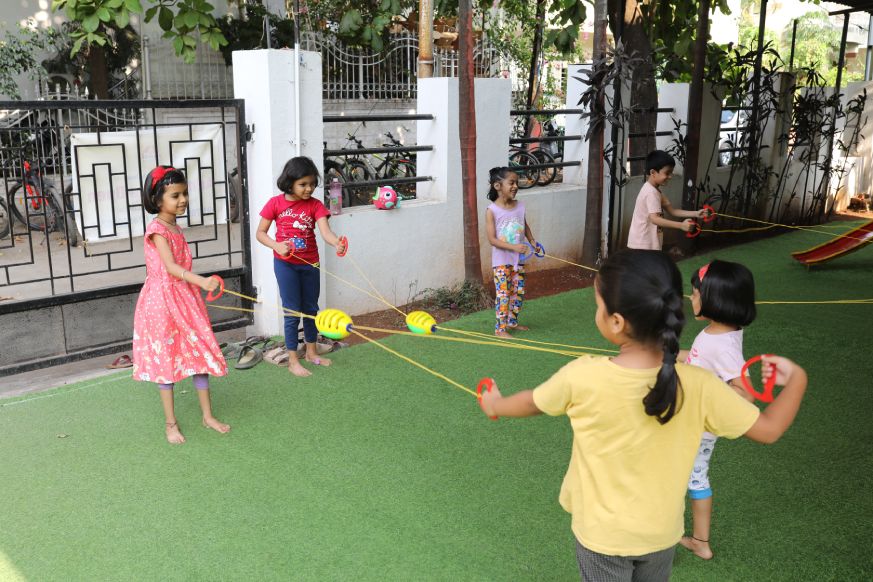
Isn’t it a treat to watch a toddler play! Although, it might not be a treat for a toddler when we watch them play.Here’s why. Let’s assume that the toddler is playing in a physically safe space. Let’s say the child is building a tower. Have you felt the urge to tell the child to build the tower in a particular way and which parts go first? Usually we

Here’s something that will bring relief. If we really understand the process of potty training and allow it, the child has the ability to potty train itself.It happens in a few steps gradually.The first crucial step is awareness of internal sensations that indicate that it’s time to go. Then comes the part about assigning a particular place to go when the child
