


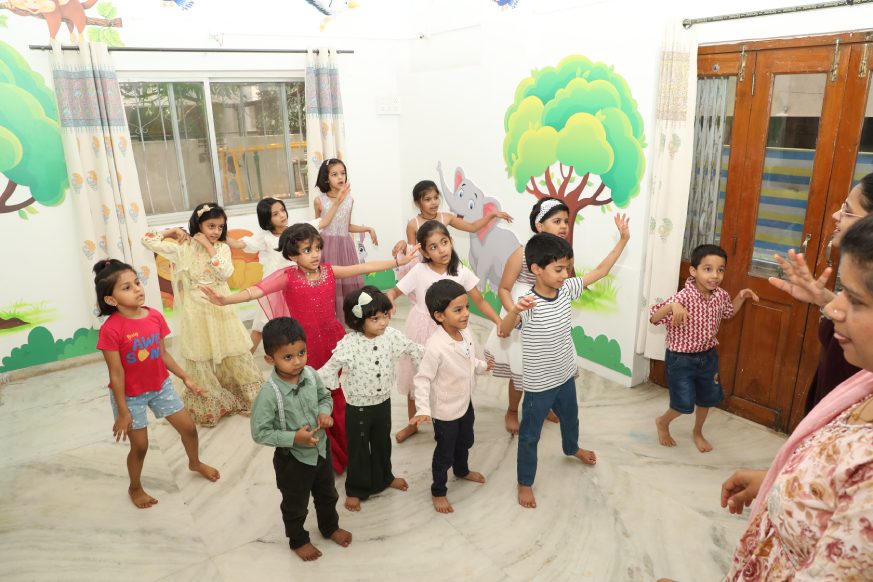
Name all the emotions you know. Can you name more than seven? There are many shades, layers and degrees of emotions with different names to tag each. When we experience emotions, we experience a mixture of emotions. Yet the vocabulary for emotions which we have is surprisingly small. A huge aspect of emotional intelligence is the ability to identify and name
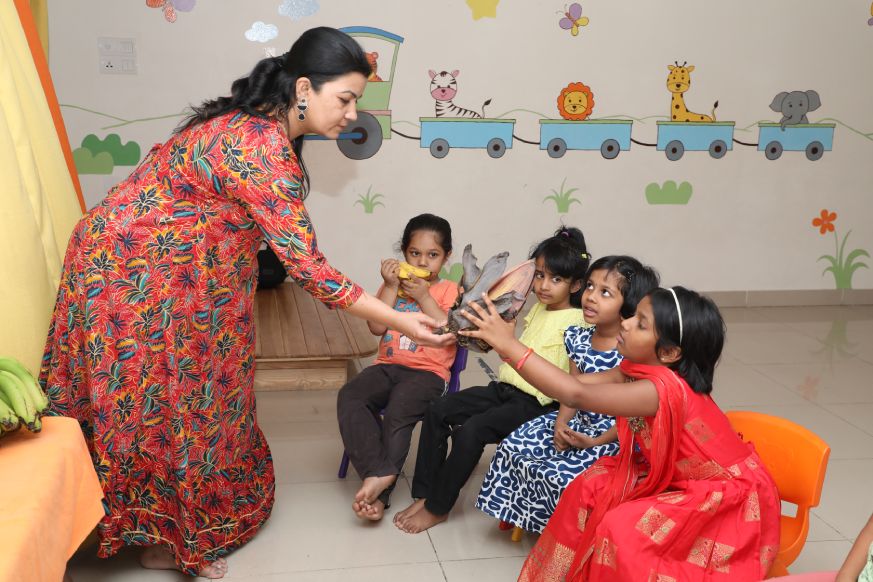
“You didn’t say hi to me, now I am upset!” “You finish your food then I’ll be happy.” “Won’t you give me a hug? I’m feeling sad now!” “When you don’t listen to me, it makes me angry!” We hear these dialogues commonly being said to kids. What happens here is that the adult feels some things like being upset or happy or sa
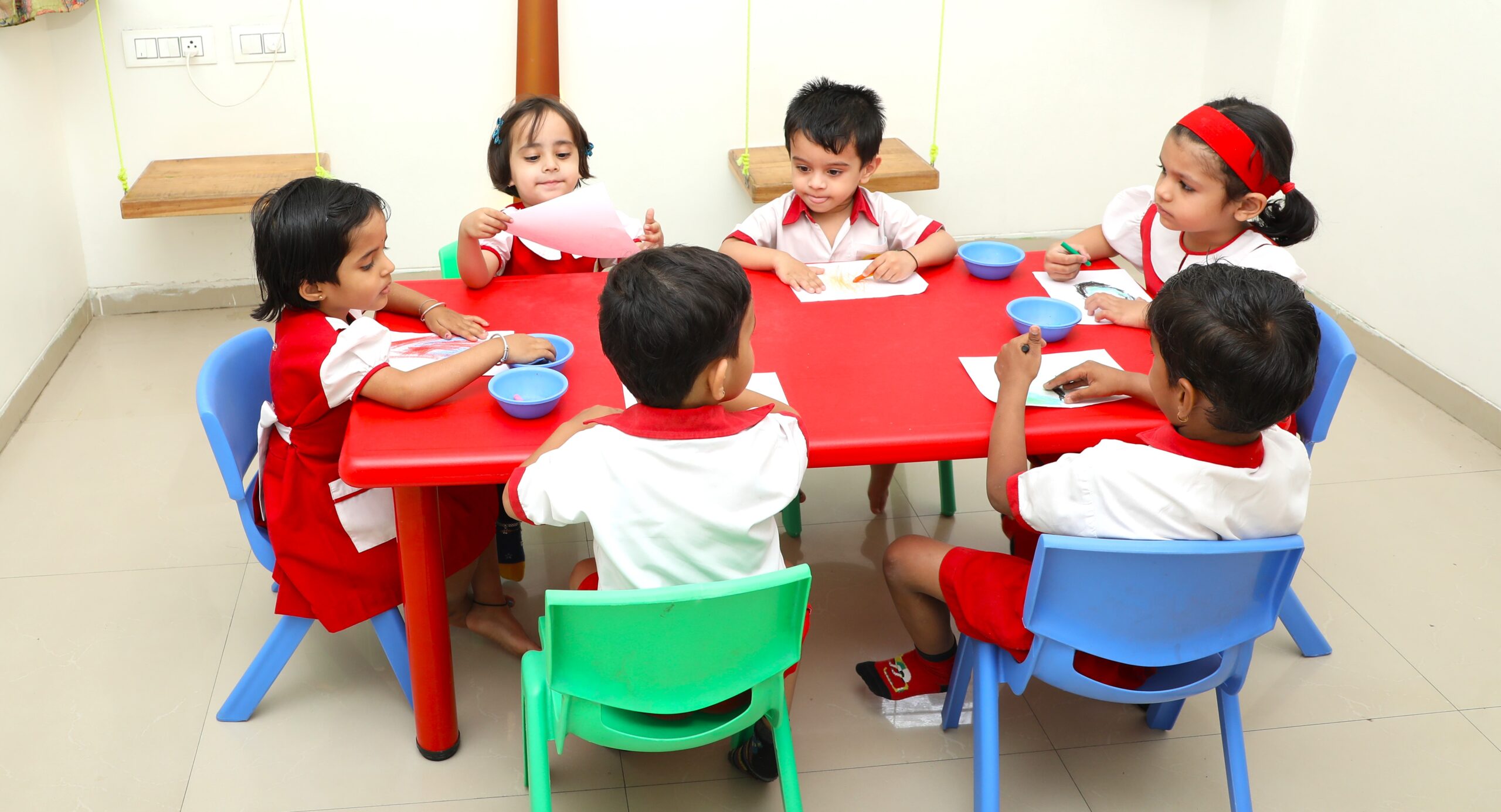
Stories are an integral part of a child’s life (in fact everyone’s life- child or adult). We learn through stories, we think through them, we live directly or vicariously through them, we think through them, we understand things and people through them, we engage with others through them, we get entertained through them, we get connected through them, the list i
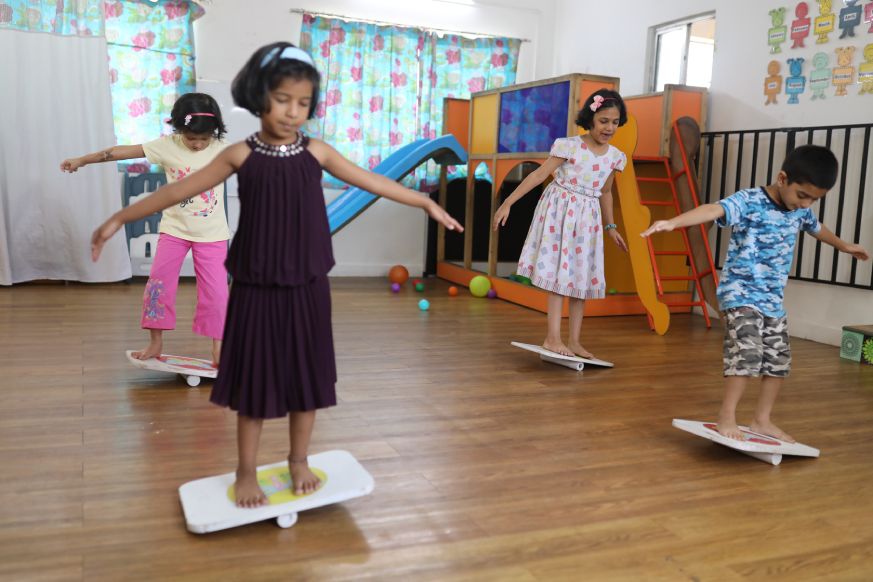
One of the important aspects of integrity is teaching to keep the deals that are made. This ability comes in handy in adulthood in relationships, workplaces as well as parenting. The common assumptions upon which we normally act are: Children don’t understand much. Children don’t remember things when they grow up anyway. From these as
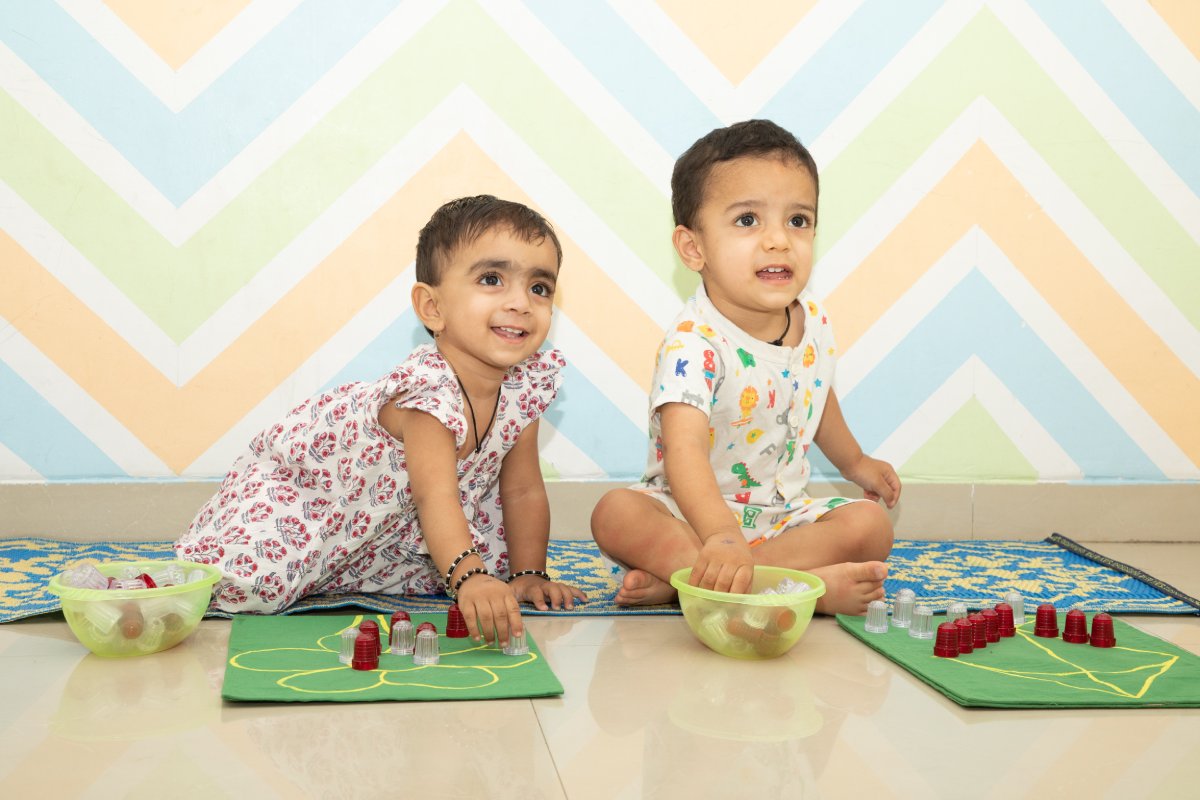
“You didn’t say hi to me, now I am upset!” “You finish your food then I’ll be happy.” “Won’t you give me a hug? I’m feeling sad now!” “When you don’t listen to me, it makes me angry!” We hear these dialogues commonly being said to kids. What happens here is that the adult feels some things like being upset or hap
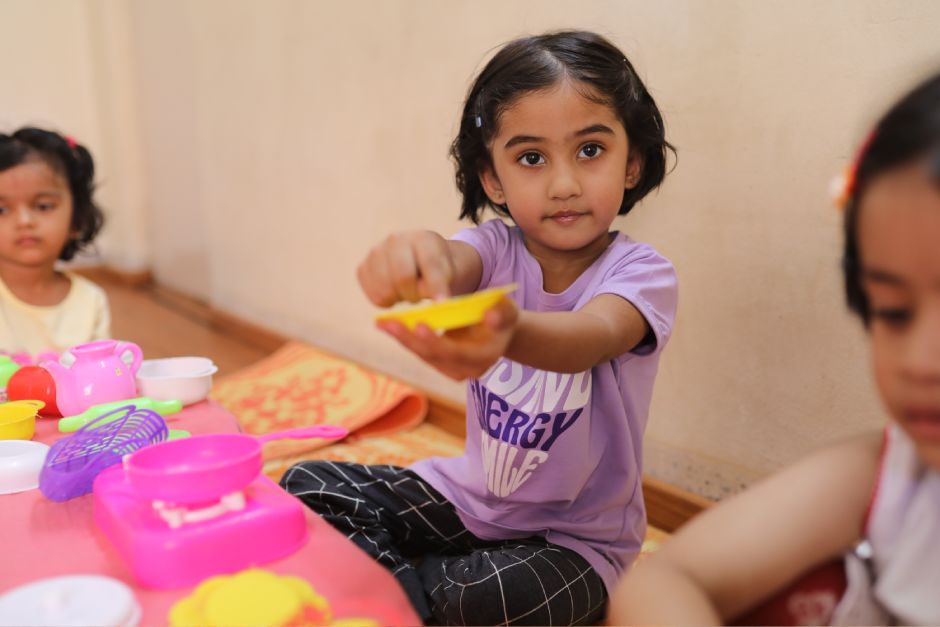
Imagine a game where one person has many needs, continuously coming up but the person cannot speak or move or do much. The only things the person can do are perhaps squirm, move the arms and legs (that too with least precision), laugh and cry. We are expected to identify that there’s a need at present, guess the need, try multiple things to meet the need, and thro

No one can give anyone a template of good parenting done right. The demands of parenting are bound by many contexts like cultural, social, economic, gender, time period, support available, relationship of parents, transgenerational patterns, parents’ childhood experiences and so on. This, along with the uniqueness of each child and each parent, makes parenting a j
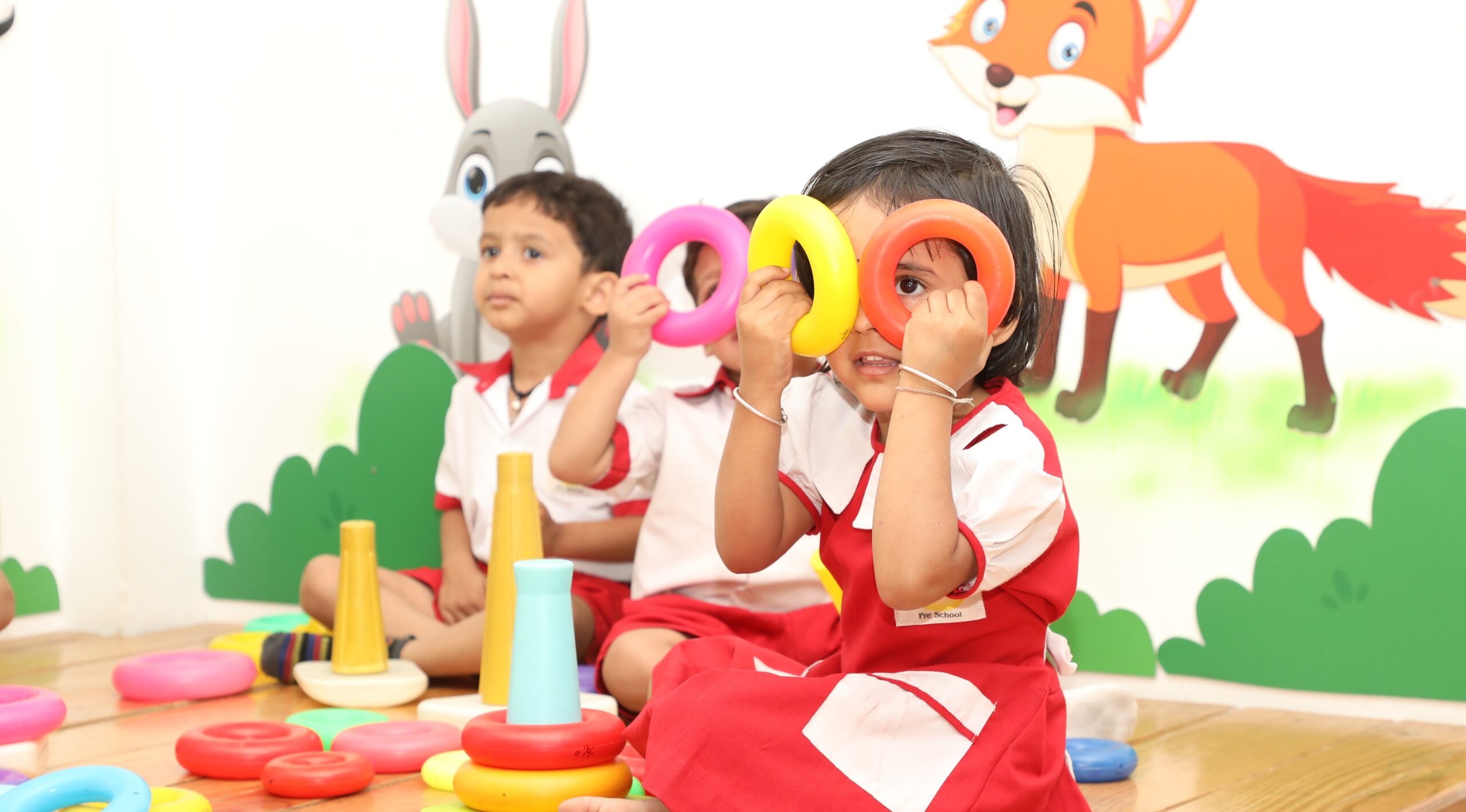
How many of us have many memories of the first 3-4 years of our life? Even if we have some specific memories, we don’t have many. Naturally it is easy for us to believe that children don’t remember much of their early years. It is a common thing to hear adults say, “How does it matter? Anyway the child is not going to remember this later.” While the statemen

What is a home for you? How does it feel ‘at home’? How do you think you want to feel ‘at home’? It can be many specific things but for most people, feeling ‘at home’ means they want to feel seen, acknowledged, understood, accepted, appreciated, loved, cared for, safe, free (in an ideal “Home’). Many of us find that, in spite of our parents doing as
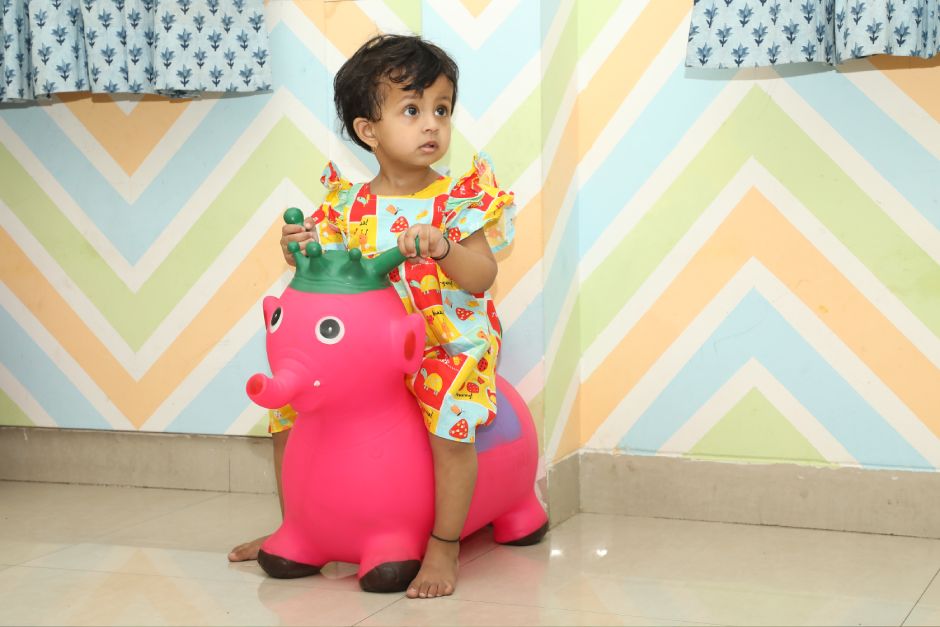
Have you lied to your child? Perhaps your child wanted to watch a video on your phone and you told your child that your phone was not with you or the bird took it away? Perhaps your child wanted to switch on the TV or the fan or the light for the nth time and you told your child that there was no electricity anymore? Perhaps your child wanted ca

