


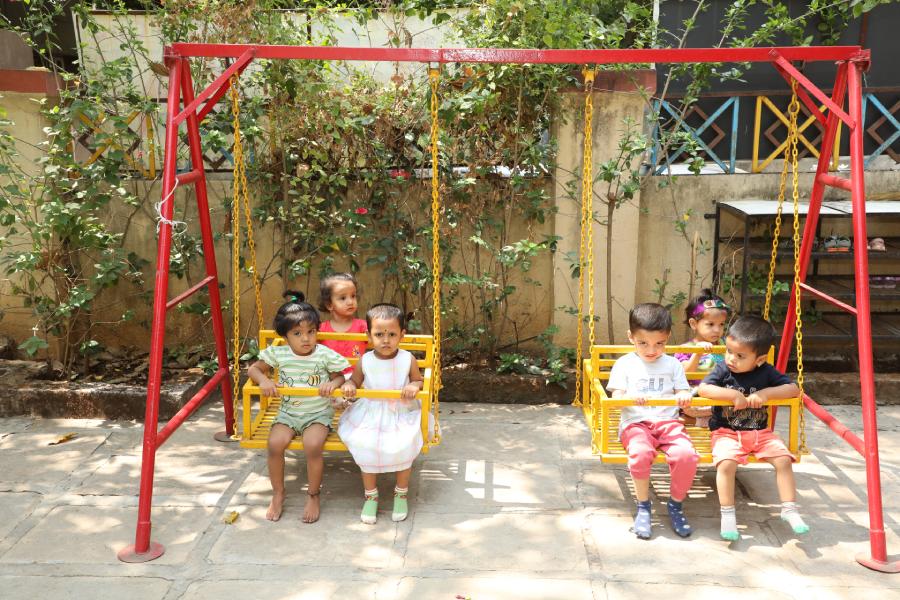
When our baby cries, the baby is essentially communicating some need. Our brains are naturally wired to respond to the distress of our baby with an urge to address the need. With little means of verbal communication it becomes an endless guessing game and sometimes we don’t even know for sure what exactly worked, out of the innumerable things we try. On top of our
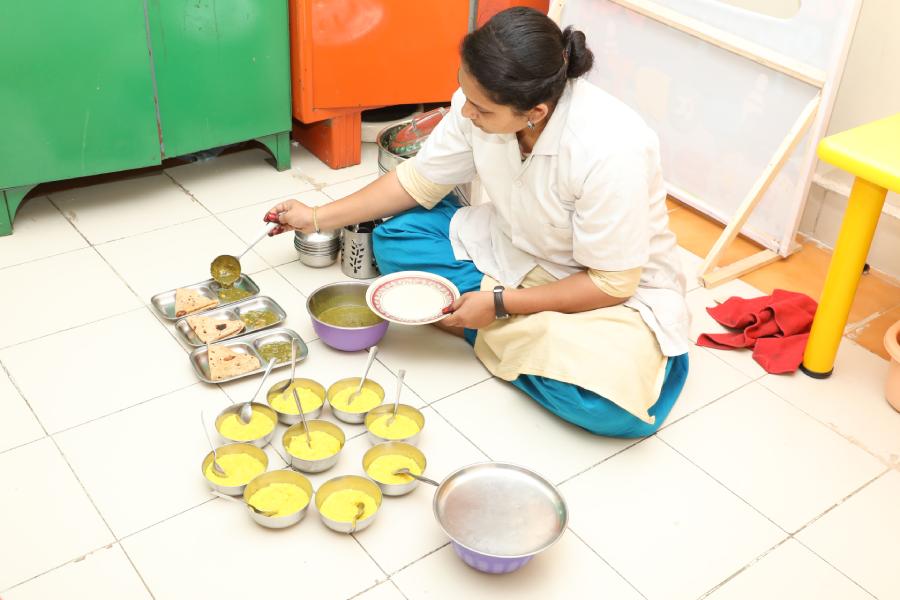
Feeding is an activity which is done consistently no matter what. This creates a potent space filled with opportunities. It’s the initial contact with food, which can build a great foundation for healthy relationship with food It can build a foundation for healthy relationship with receiving nurturance in general It’s a space to experien
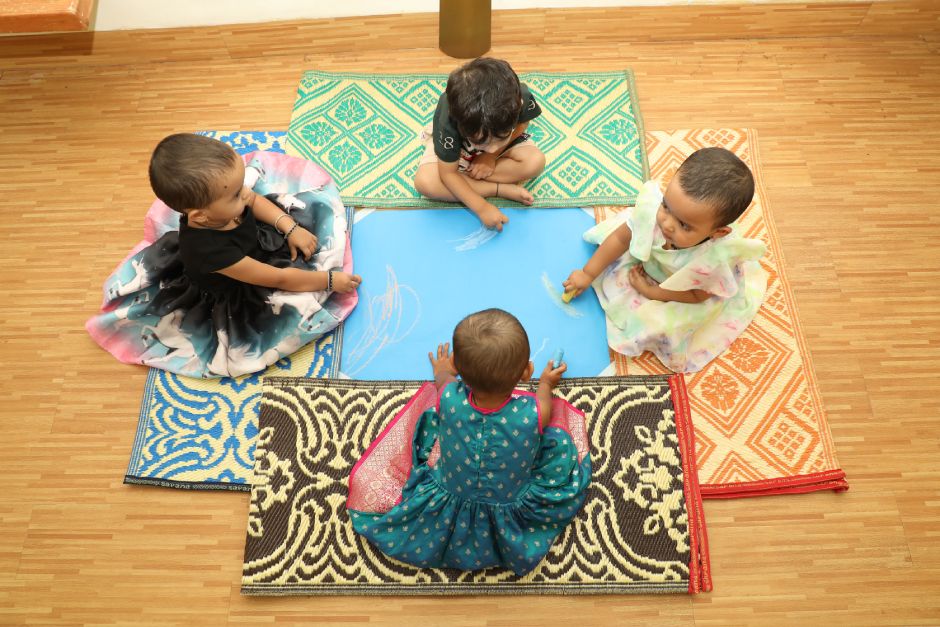
Around this age, the child’s horizons rapidly widen. Their social circle expands with the addition of many new relationships. The relationship between the child and the caregiver builds the foundation for all the future relationships of the child. One has to understand two basic principles here: The treatment the child receives from the
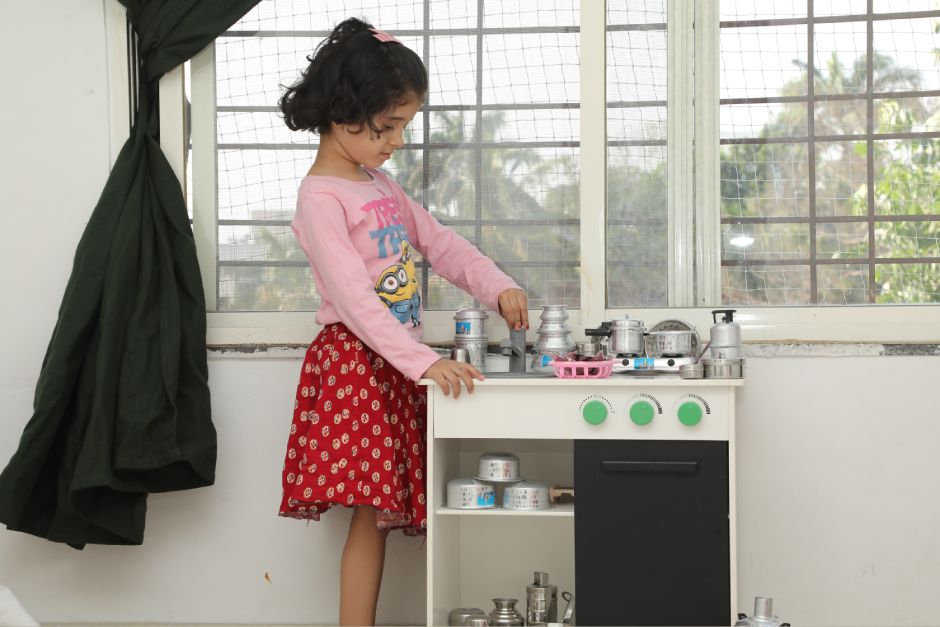
Now our child no longer looks like a baby. They may speak like an adult or their body language may begin to resemble the adults. They may also be able to do many things and say many things and think many things they didn’t do, say or think before. They also want to do things on their own and there’s a strong drive towards independence. The way we need to speak w
Have you ever been in a situation when two people were speaking something negative about you and you happened to be within earshot? If not, just for now let’s imagine. Imagine that the person sharing the negative information or opinion is the closest person in your life. What would you feel, about the close person and about yourself? Would you feel cheated?
Do you love your child? Needless to answer. Does your child know how much you love them? To paraphrase Dr Gabor Mate, it doesn’t matter how much love you send to your child, what matters is how much of that love does the child receive. Does the child ‘feel’ loved? Does that child think that they are loved at all times?
“You make such a mess.” “Why don’t you sit quietly?” “Stop shouting.” “Stop jumping.” “You don’t listen to me at all.” “You don’t have any manners!” “Why don’t you share toys?” “You don’t have any patience.” Have you said or thought any of these for your child? A

You are playing with your child and you watch your child move away from you and towards something. You realise it’s a glass object which the child never gets to play with and suddenly you realise that the object is within your child’s reach while you are far away. You blurt out “No, don’t touch that.” Guess what happens next. Most probable sc
When it comes to dealing with stubbornness, we have already looked at ‘leading with a yes’ and ‘not labelling’ as two important ways. Let’s look at two more. What happens as a result of the crying in the example above is important. If your initial ‘no’ is changing to a ‘yes’ as a result of the child crying, then that means the child i
“My child is becoming more and more stubborn by the day” This is the experience of many parents around this time. Let’s look at a fourfold plan to deal with stubbornness. We are going to use an example of a child who wants a glass object and when you refuse to give it, the child cries till the time you give it. Firstly, lead with
