
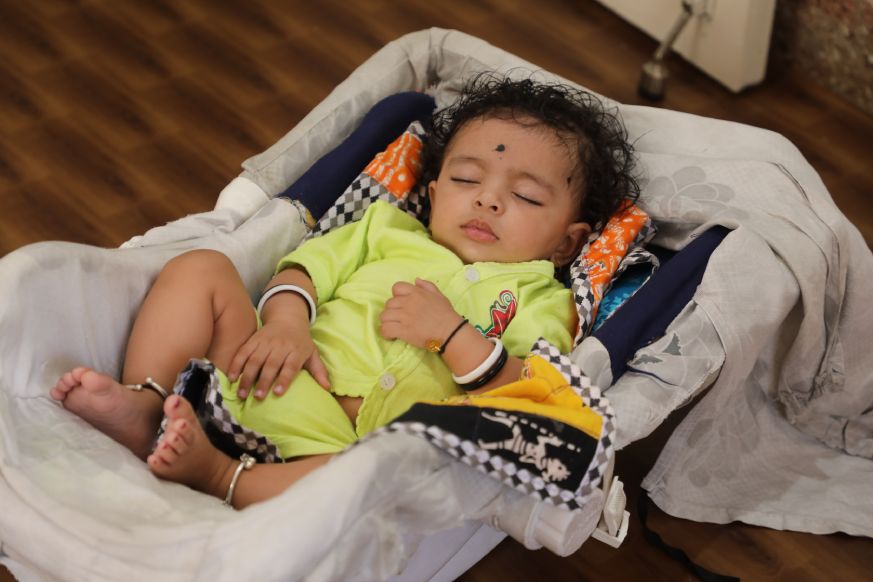
While many times adults can take the cues of exhaustion or the cues for need for sleep from their body and mind, children’s excitement may keep them and us from recognising that they are sleepy.
At this age the body, brain, emotional and cognitive abilities develop at a rapid speed. Adequate amount of quality sleep is essential for healthy growth. While adults need less sleep for wellbeing, children need longer.
Longer quality sleep in children is associated with:
Along with these healthy sleep schedules also has some long term benefits such as lower risk of mental illnesses such as depression, anxiety, lower risk of conditions such as cardiovascular conditions or type 2 diabetes.
Here are some recommended durations:
While these are general guidelines, every child is unique and we need to identify what works for our child best. Let’s try to be more receptive to the cues our child gives us and let’s try to arrange their schedule in a way that they get the quality and quantity of sleep that they need.
Activity: