


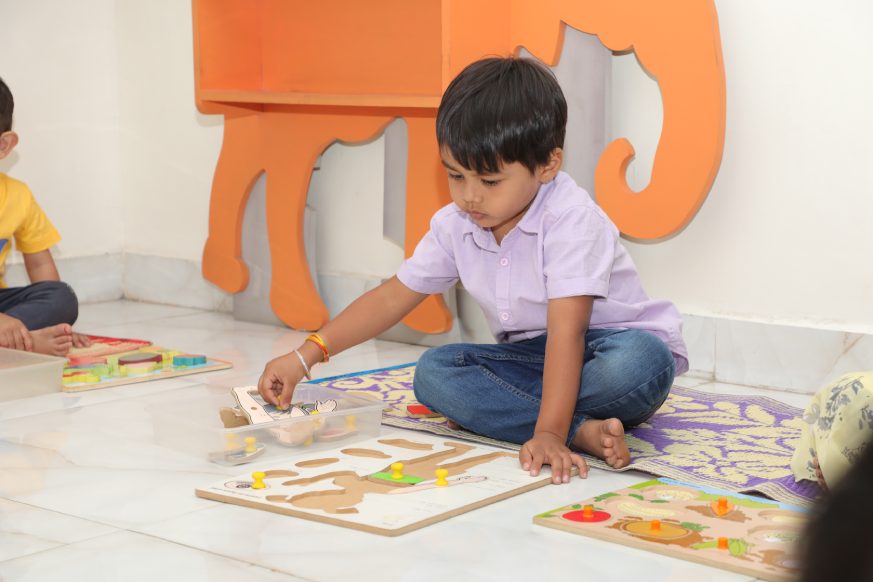
Stimulation is important for our child’s optimum and healthy development in all respects whether it’s physical, mental or emotional. For stimulation to be fostering development, this stimulation needs to be appropriate in kind and intensity. Today’s world being full of multiple stimuli may create overstimulation for ourselves and our children. Think of how mu
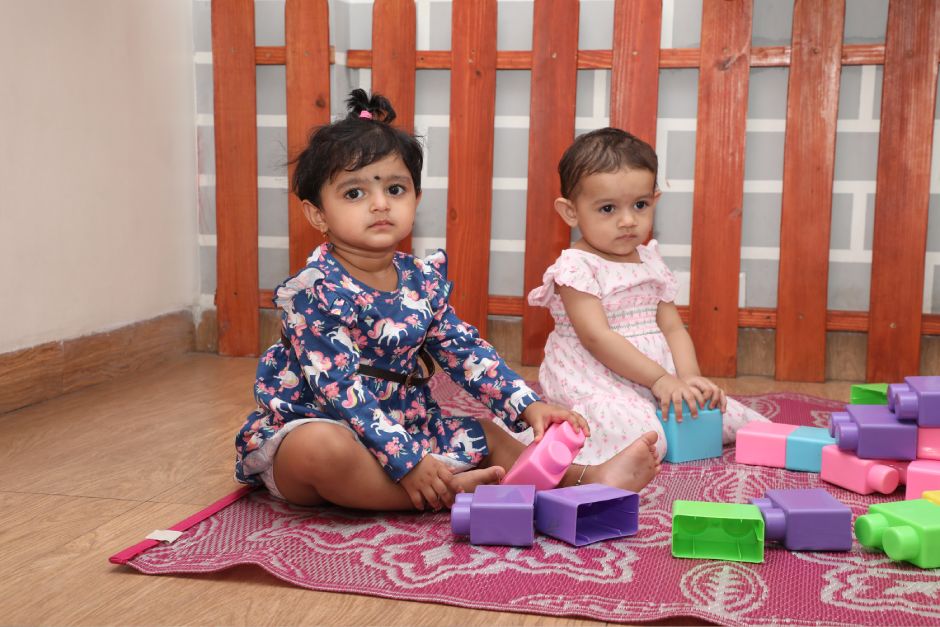
When you engage with your infant, you may notice that the baby makes eye contact for a few seconds and engages with you, responds to you and the baby also breaks eye contact after a few seconds of intense engagement. If you observe carefully, you may find these rhythms of connection/engagement and disconnection/disengagement naturally occurring in your baby’s intera
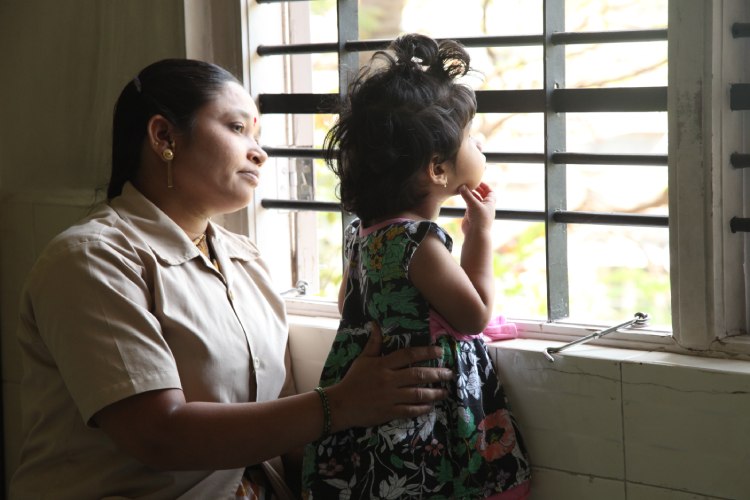
What would you like your child to become when they grow up? What would you NOT like your child to become when they grow up? Would you like them to have a particular lifestyle? Would you like them to grow up to be possessing specific qualities? Would you like them to not possess particular qualities? Would you like them to have specific personality traits? Would you no

Sleep is a crucial aspect when it comes to child development, may it be physical development, emotional development, mental development or self development. Good sleep helps and supports brain development in children which has shown to have a positive impact on memory, learning, attention, regulation of the nervous system, development of the immune system and so on.

Why do you use punishment? To discipline your child? To discourage unwanted behaviours? To teach a lesson / educate? Punishment of children is something that is observed quite often. Not just in households but in preschool and daycare as well. This blog sheds light upon the myths and truths about punishment of children and how it contributes to the holistic deve
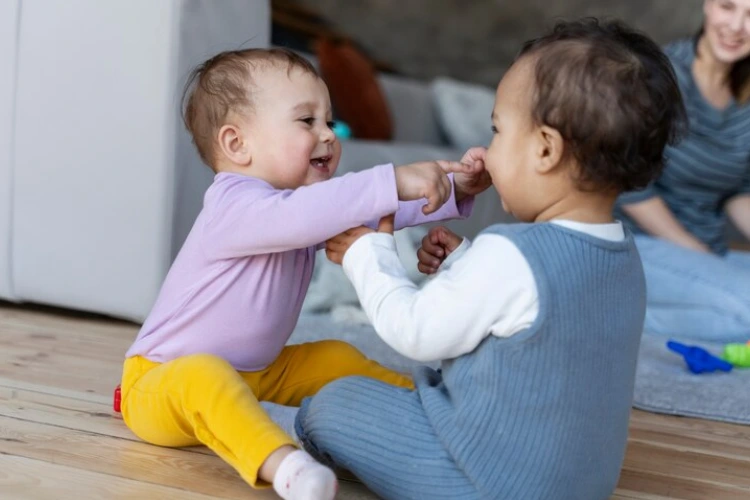
Children as young as 1 are commonly told that they should share their toys, especially in environments like preschool & daycare settings. We commonly find others or ourselves saying dialogues like: "Sharing is caring." "You are a good boy/girl right? Share your toys." "Sharing is easy." "You must share your toys." “They will play with you only if you shar
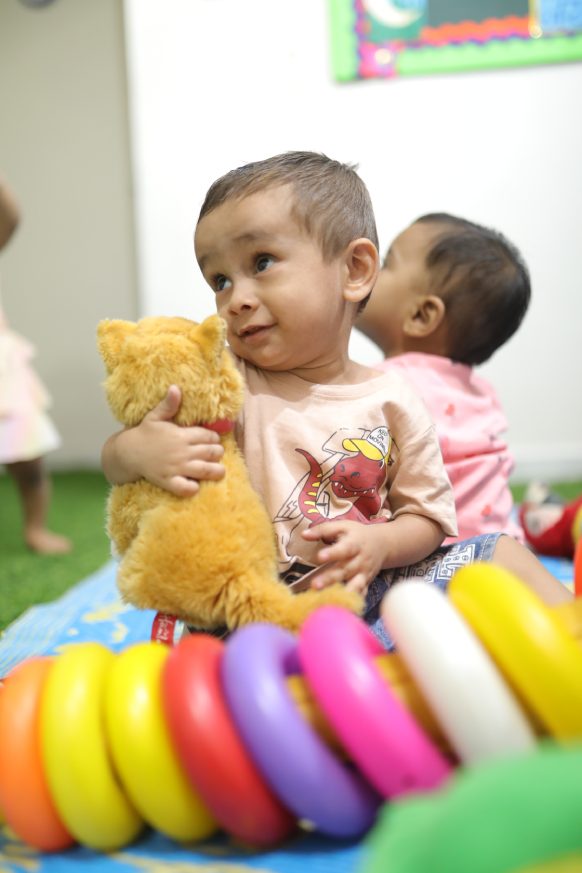
Think of a time you were upset most recently. What were all the emotions you experienced at that time? Were you upset, sad and angry, all at once? Experience of emotions becomes more and more complex with the neurological and social development of our child. Early on when the child experiences an emotion, such as anger for example, they experience only anger intens

Purpose is an inherent intention in children’s life since birth. Every reflex they possess at birth serves a purpose. Every movement or action they make after birth is towards the purpose of walking or talking or growing and so on. Later, in our social life or professional life, we sometimes need to engage in activities which may seem meaningless at the time. Think
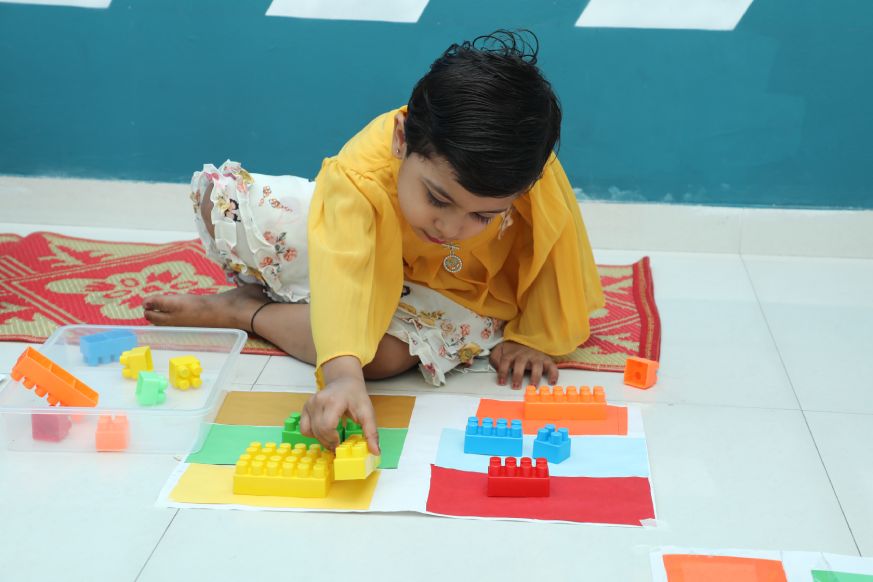
As the social horizons of our child expand, the child starts learning new concepts from their social environments. Concepts such as competition- doing things faster than others, being taller or stronger than others, running faster than others etc. catch on in the thought processes of our child. You may observe that collectively, we celebrate physical strength- whic
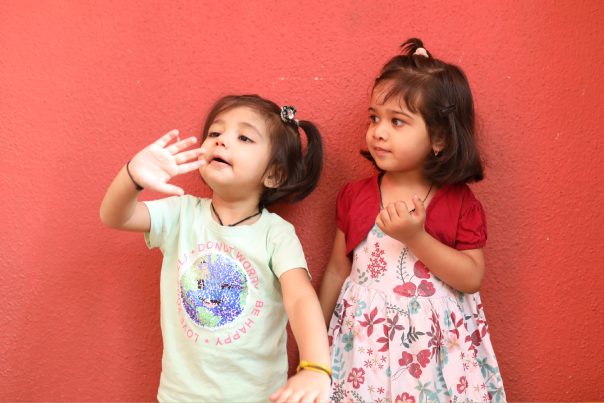
Don’ts: Don’t respond with anger or aggression or by getting upset. Don’t give an intense reaction. Don’t shame or guilt the child. Don’t label your child for hitting. Don’t discuss “my child hits” as a problem in front of your child with others. Don’t try to convince the child of anything at that moment. Don’t leave the chil


