


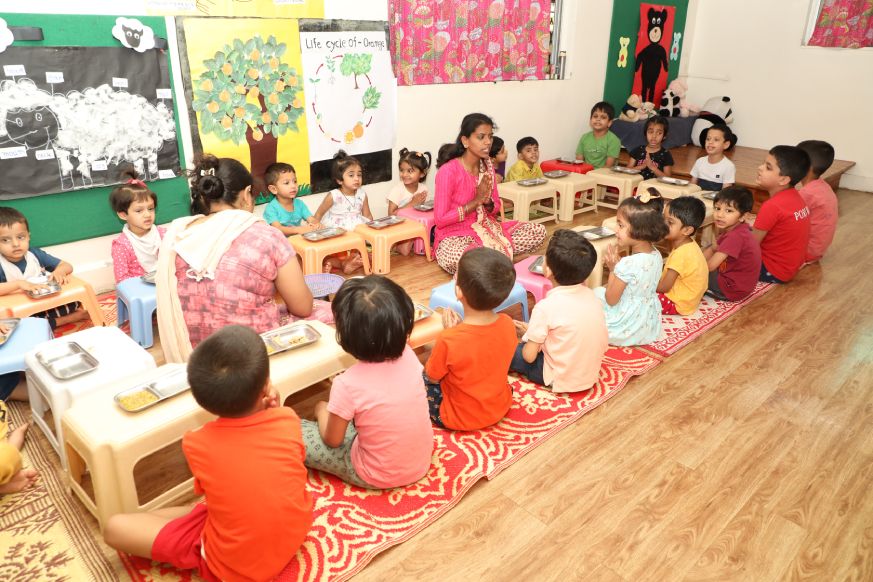
What do you do when you cook something for a meal and your child refuses to eat it? Do you go ahead and ask them what they want to eat instead? Do you give them more food options that could be available? Do you ask them what can you cook for them instead? Or do you react very strongly and insist aggressively that they eat what’s made? Or do you sometimes offer optio
All parents want to give their children a good life. Most parents think about being able to give their children what they themselves didn’t get in their own childhood. May it be certain toys or objects that fascinated us when we were children or clothes or foods or a certain quality and type of education, skills, access to a particular type of infrastructure, certai

As children grow, their social worlds expand. They start going to schools, day cares, for various activities, may it be swimming, gymnastics, games, or in some cases, tuitions. They are on their own at these places, without their parents or caregiver. With their mental and emotional worlds developing parallelly, they gradually begin to feel more, think more, commun
What is this? How does this happen? Why did/does this happen? Why do we do this? What happens when….? Parents regularly encounter these and other variations of these questions. Whenever we have the bandwidth, in our enthusiasm, we make efforts to simplify things and give explanations to our child. While a certain amount of this is healthy, the unceasi

A healthy morning routine consists of habits and activities geared towards emotional and nervous system regulation, gratitude, self-care and nourishment. Emotional and nervous system regulation activities would include connecting with nature, breathing exercises, prayers and chanting, massage, rhythmic movements, humming and singing etc. Gratitude activities can
As the famous saying by Charles Dederich goes, “today is the first hour of the rest of your life.” Every day is an opportunity for growth, transformation and evolution. The first hour of your day sets the tone for your entire day. Childhood is a fertile opportunity to set some very important and healthy patterns for your child, may it be bodily habits or emotiona
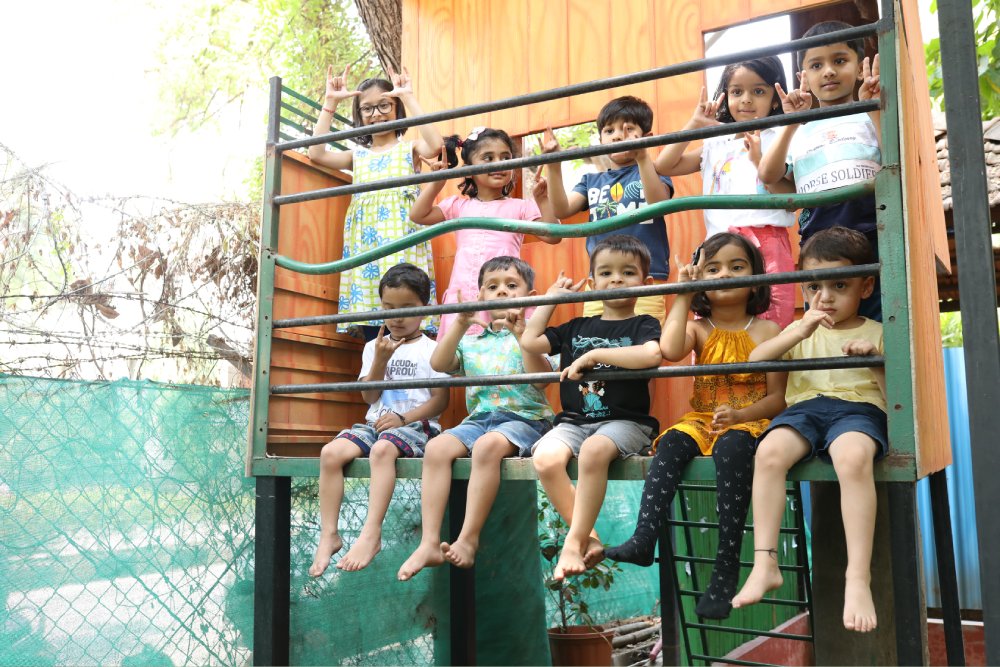
“Look at him/her.” “Look what a good child that is!” “Look how she is doing this.” “Look how he listens to his mom.” We all have heard different variations of this all around us. Let’s think about the child to whom these dialogues are said. Let’s for once put ourselves in that child’s shoes. Would these dialogues be effective for you

Do you present contradictions to your children? Do you say something and act contradictory? Do you use screens in front of your children and ask them not to use screens? Do you lie to your children or in front of them and ask them not to lie? Do you ask your child to have some healthy habits while you don’t have those same habits? Do you not eat c
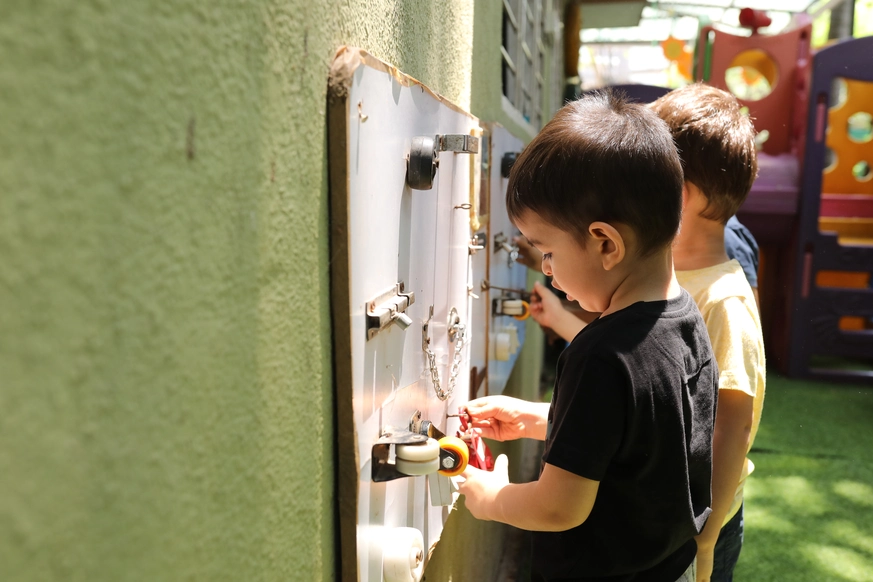
An average Indian child receives hundreds of instructions daily. Imagine receiving 600 instructions daily on what to do, when to do it, how to do it and more specifically, how not to do it. The experience may be any intensity of tiring or irritating in the least. And yurt, children endure these instructions daily. The unspoken message of receiving too many instruction
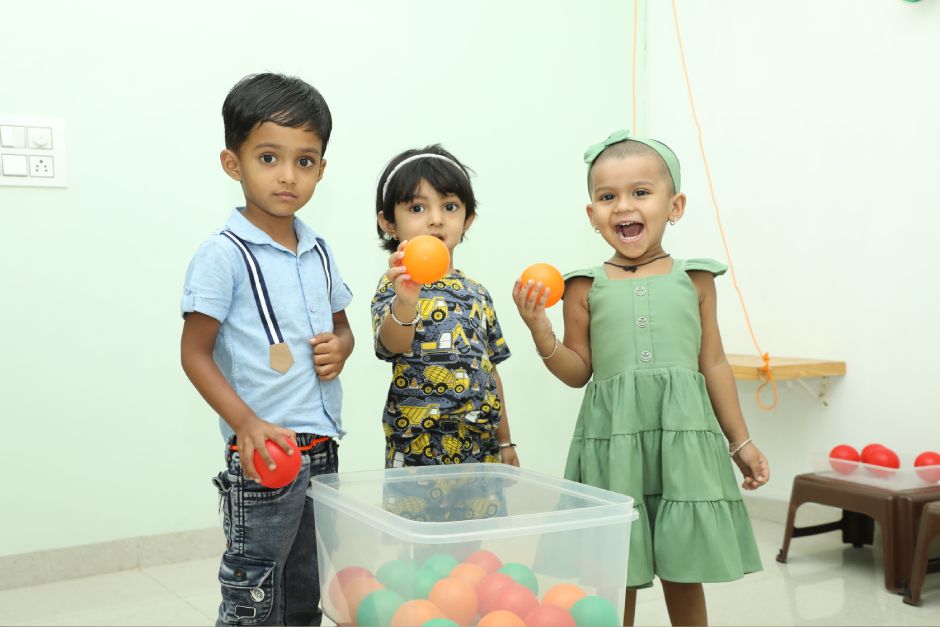
The seeds for growing up to be a responsible, considerate and gentle human can be effectively sown in a child through modeling. Have you seen a child eating a chocolate and throwing the wrapper right there? Have you seen a child grabbing and tearing away the leaves and flowers or a plant? Have you seen a child litter? Children directly emulate their caregi
