
We’ve all been there—standing in the middle of a colorful room, smelling of finger paint and graham crackers, wondering: “Is this the place?” Searching for a kids daycare is one of the first major decisions you make as a parent that involves letting go just a little bit. It’s the moment your “village” expands, and while that’s exciting, it can also feel incredibly heavy.
In 2026, we have more data and more choices than ever before. But at the end of the day, you aren’t just looking for a facility with the best ratings; you’re looking for a second home. You’re looking for the people who will notice the exact way your child scrunches their nose when they’re about to laugh and who will hold their hand when you aren’t there to do it.
This guide is designed to help you peel back the layers of a standard tour and find the heart of a truly great daycare.
When we start the search, most of us head straight to a map and type in “kids daycare near me“ Proximity matters—especially when you’re running late for a meeting or dealing with a toddler who refused to put on shoes. However, a short commute is only a benefit if you feel 100% at peace when you pull out of the parking lot.
A great daycare isn’t just a convenience; it’s a partnership. As you visit local centers, ask yourself if the location is the only thing that’s working, or if the environment itself feels like a place where your child can grow. Sometimes, an extra five-minute drive is worth the “peace of mind” that lasts for the next eight hours.
Every kids daycare has its own unique energy. While checklists are great, pay close attention to the “unspoken” atmosphere of the center.
Walk into a classroom and just listen. You shouldn’t hear pin-drop silence (that’s unnatural for kids!), but you also shouldn’t hear chaotic, unmanaged screaming. You’re looking for the “happy hum”—the sound of blocks stacking, low-voiced pretend play, and teachers who are speaking with children rather than at them.
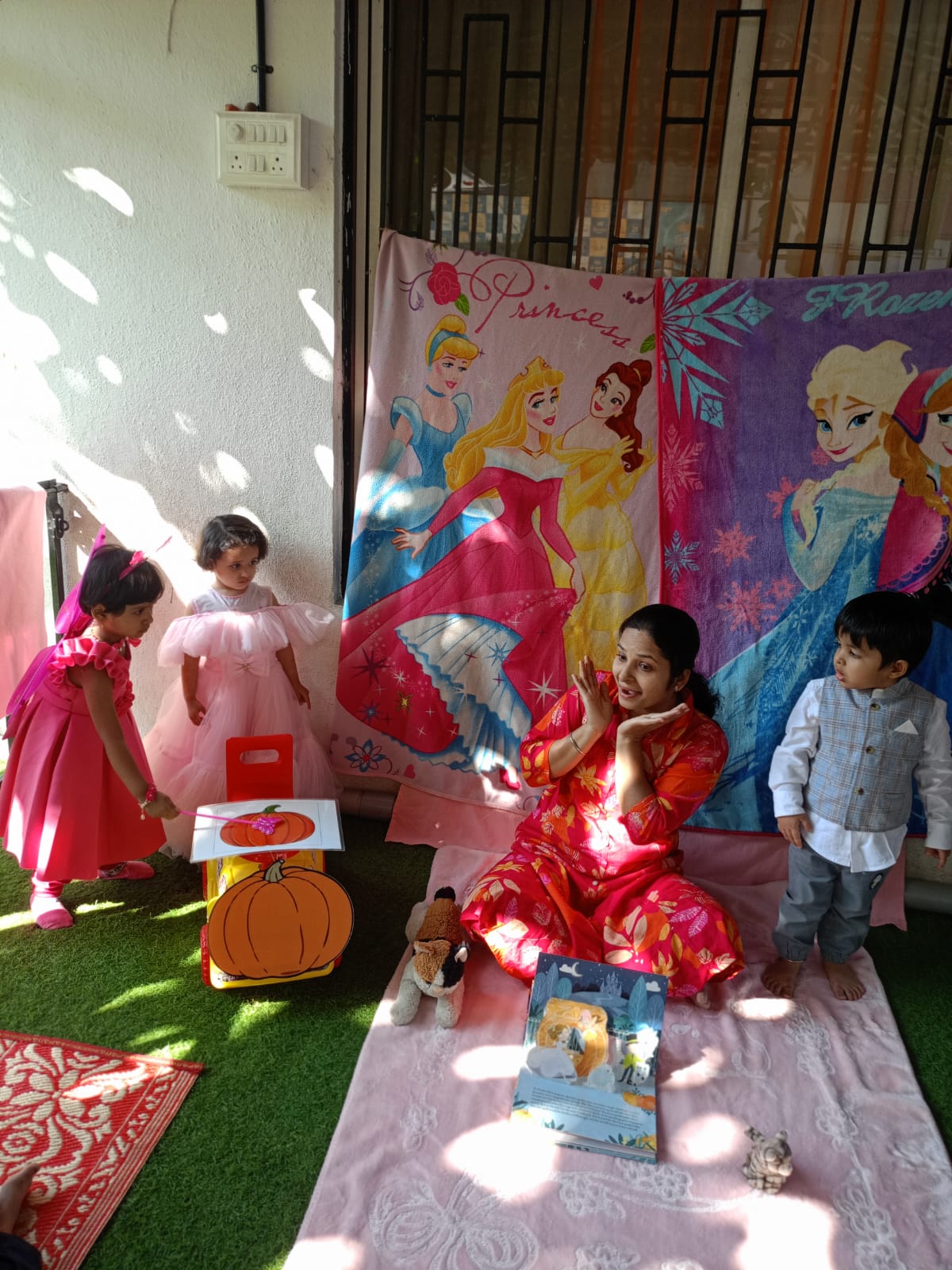
Look at the adults in the room. Are they standing in a corner checking a tablet, or are they on the floor? A high-quality daycare is staffed by people who aren’t afraid to get their knees dirty. When a teacher meets a child at eye level, it creates a sense of safety and importance that a “standing” adult simply can’t provide.
Look at the walls. If every single “caterpillar” art project looks exactly the same, it means the kids are being told what to do rather than being allowed to create. A nurturing environment celebrates the messy, the lopsided, and the unique. You want a place that values the process of play over a perfect end product.
We often check for cameras and secure entries first—and rightfully so. But in a kids daycare, safety is also emotional.
Let’s address the elephant in the room: the guilt. Whether you are returning to work by choice or necessity, the first few weeks of daycare can be emotionally draining.
It’s important to remember that a high-quality kids daycare near me isn’t a “replacement” for you; it’s an enrichment of your child’s life. They are learning how to make friends, how to follow a routine, and how to trust other adults. These are the building blocks of resilience. When you pick them up and they excitedly show you a piece of blue playdough, remember that they are building a world of their own, and that’s a beautiful thing.
You can read a hundred reviews, but you are the world’s leading expert on your own child. If a school checks every single SEO-optimized box but your “gut” says something is off, listen to it. Conversely, if a school is a little older but the teachers are warm and the children look genuinely joyful, that might be your winner.
A kids daycare is the first step in your child’s educational journey. It’s where they’ll discover their favorite songs, their first best friends, and the fact that they can do hard things. Take your time, breathe through the search, and know that the right “village” is out there waiting for you.
There is no single “best” age. Some families start at 6 weeks, while others wait until age 2. The most important factor is the quality of the care and the readiness of the family.
Establish a “quick goodbye” ritual. A special handshake or a consistent phrase like “I’ll see you after snack!” helps build a sense of predictability and trust.
Usually, two changes of clothes, a labeled water bottle, any comfort objects (like a small blanket), and plenty of diapers/wipes if the school doesn’t provide them.