


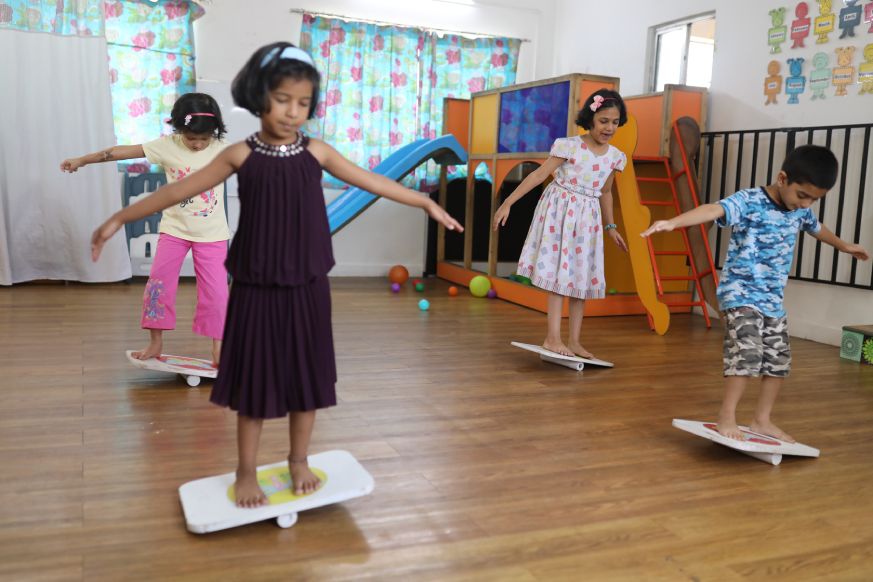
"If you are hurt, let's put on some medicine and it will get better." “Let’s go to the doctor and the doctor will make you feel all better.” These responses come instantly to many of us. Many of us also pretend to perform some magic and heal the child when hurt. In truth, our bodies have the intelligence and mechanisms to heal themselves. The moment
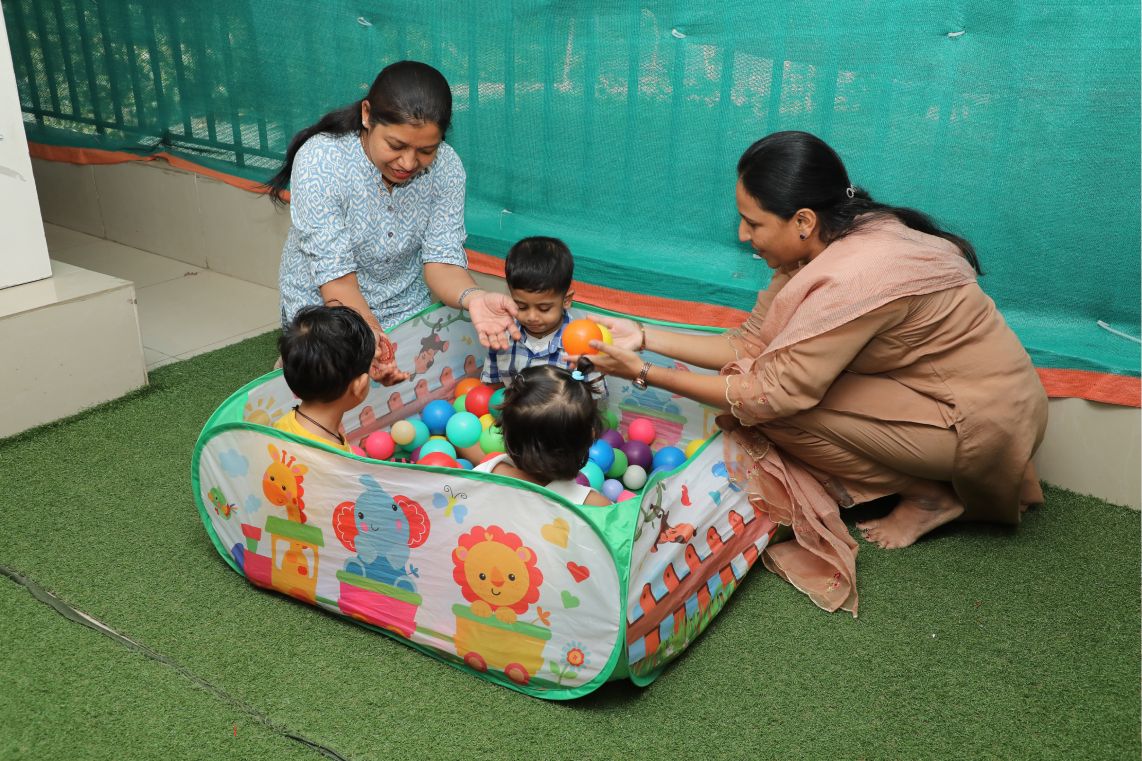
What happens when your child comes to you and says “I am bored”? You may find yourself instantly giving the child suggestions to get rid of the boredom. When our child is bored, we take it upon ourselves to solve this ‘problem’ of boredom instantly. Most of us may also experience that our child rejects most of our suggestions which also makes the process
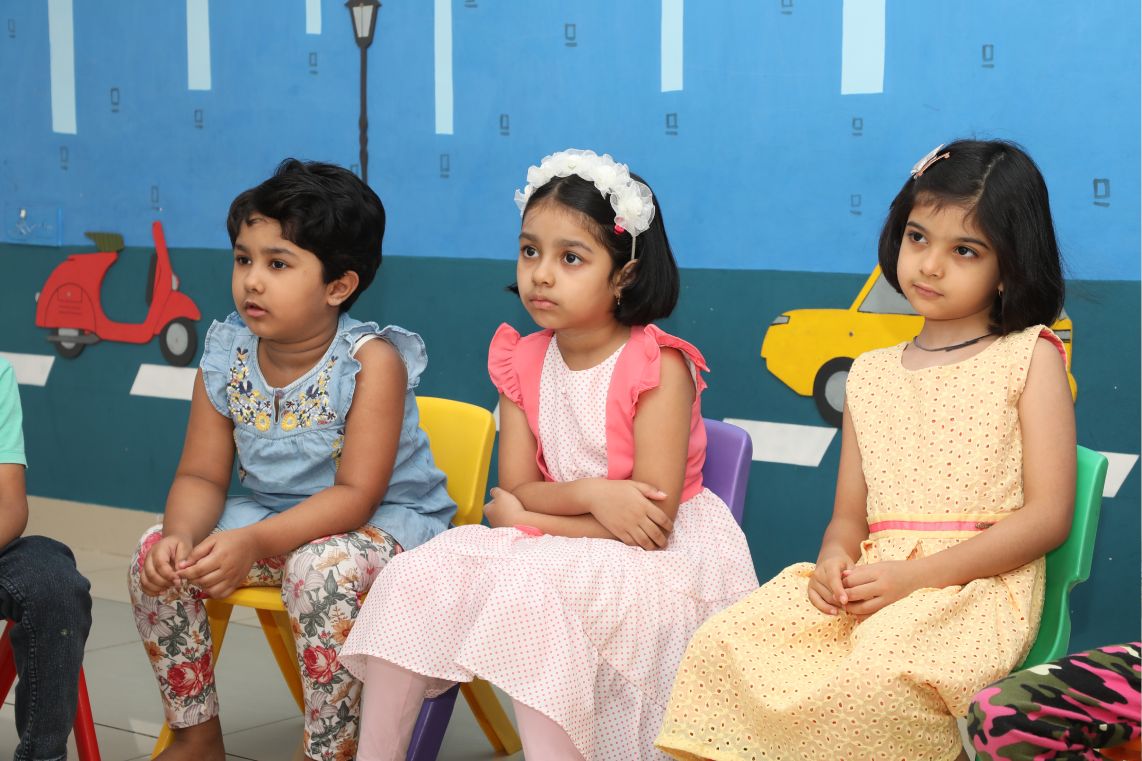
We all want our child to be respectful towards us. We get more triggered if our child (or anyone for that matter) is not respectful to us in social situations or in front of people. And yet sometimes we find ourselves in social situations speaking harshly to our child or losing temper or threatening to punish them or exercising our power or mocking the child or tea
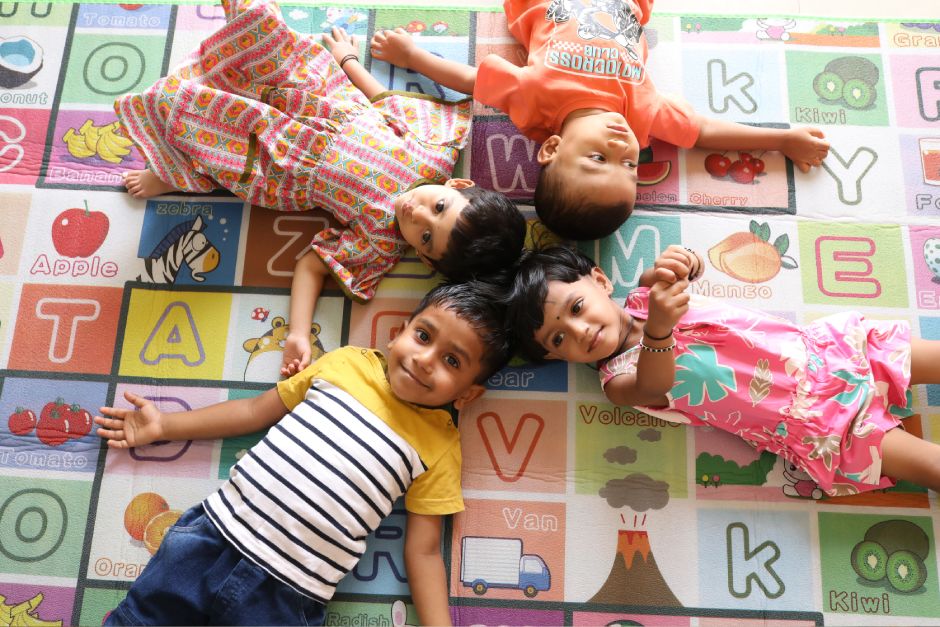
When our child is shouting in a public place or littering or expressing anger or not sharing their toys or things or not finishing their food or not winding up after playing, many of us feel the urge to intervene. Once we see a behaviour or a habit we want to change, many of us may resort to a moral position where we may tell (or even lecture) our child how it is bad
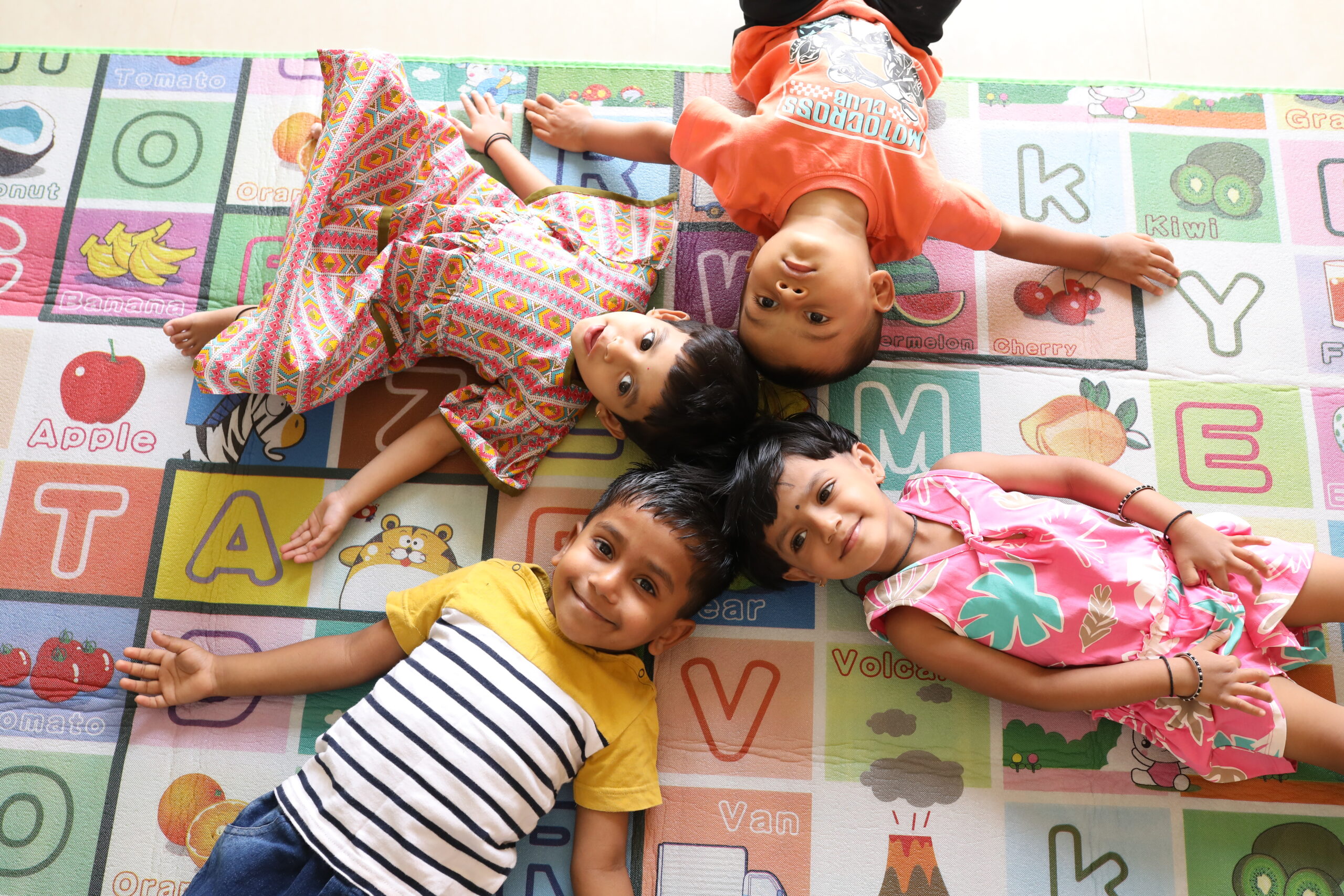
Perfect conditions: Light drizzles Steps: Go out with your child, preferably under an open sky or near plants and trees Pick up your child oh so gently Hold them close to you with all the love and joy you have Replicate the position in the image above Close your eyes and look up Tell each other where the raindrops touched your face
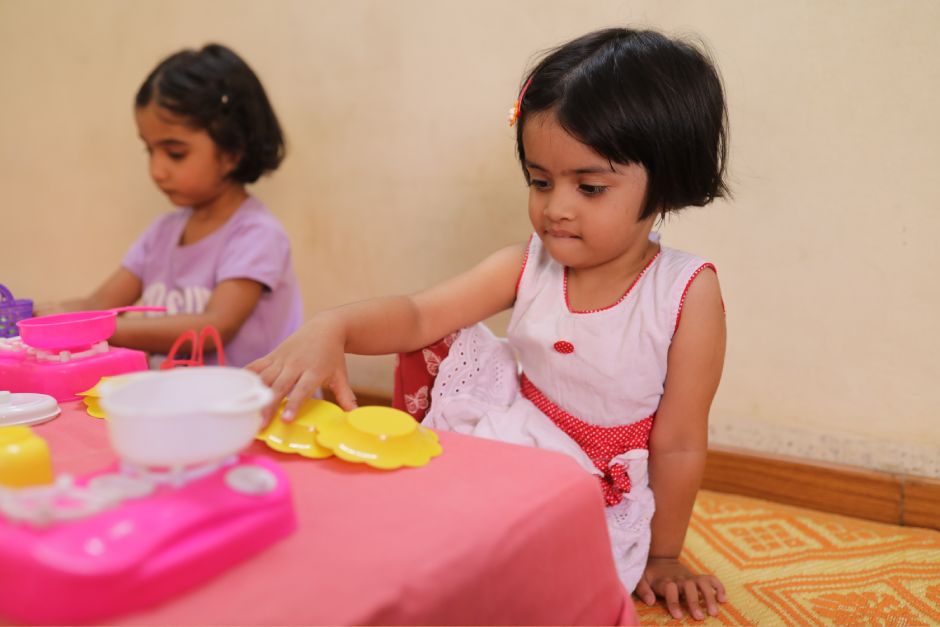
In the face of the overwhelm of today’s world, simplicity becomes the key. Simple lives, predictable routines, repetitive routines, simple and few toys, natural environments become crucial in order to access this simplicity. Let’s compare going to an artificial play area with going for a nature walk on a hill. The play area is filled with visual and auditory st

Many of today’s man made environments are loaded with stimulation. Take an example of a mall. Malls are designed specially to compete to capture peoples’ attention, actively invoke desires, and hook people to various products in addition to the multiple fast food options. The entertainment centres are designed to overstimulate the mind and senses. Take an example
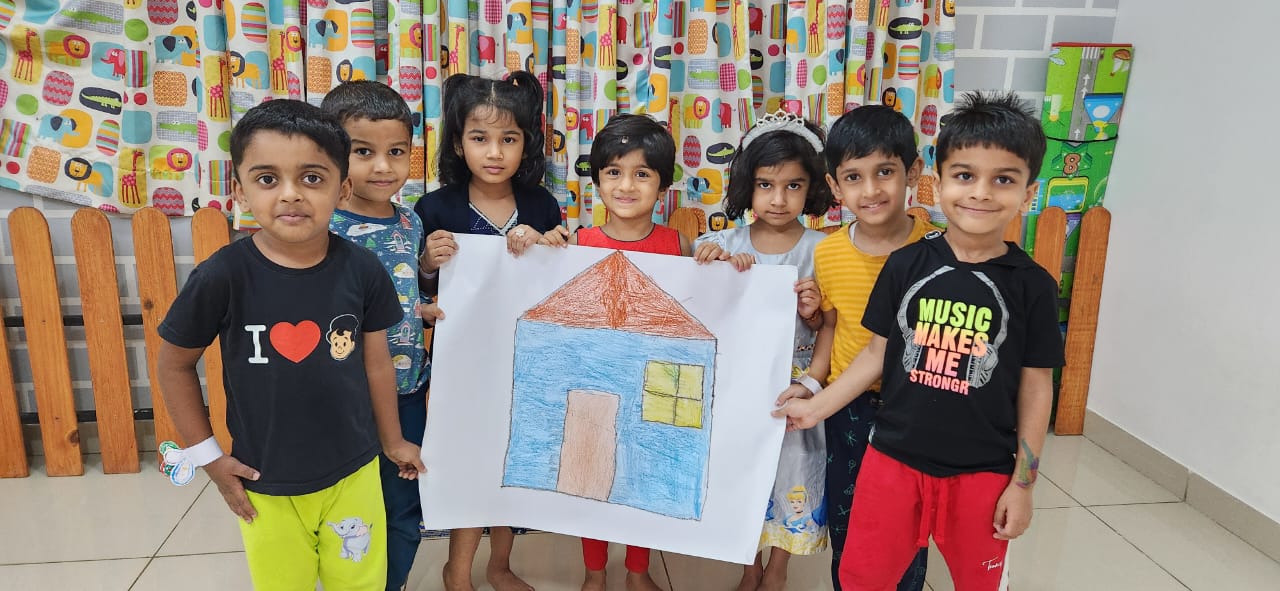
“He has become so stubborn these days!” “She has such strong preferences!” “He doesn’t listen to anyone nowadays.” We hear these remarks or find ourselves making these remarks about our child increasingly as the toddler grows. While all of these observations are on point, let’s understand what happens here. The first seven years o

One of the important rhythms of life is the rhythm of excitement and cooling down/ calm/ soothing. Our bodies need a balanced rhythm of activity and rest for smooth functioning. Our minds need a balanced rhythm of excitement and calming down/peace for its smooth functioning. Our heart needs a balanced rhythm of contraction and relaxation. Our breath needs a balanced r
Children are highly sensitive to subtle aspects of communication such as our facial expressions, our gaze, the tone of our voice and even our touch. They know the difference between a gentle touch which is made with all the care, love and tenderness in our heart and a harsh touch which is a result of frustration, anger or suffering in our heart. Children also respo
