


Under what conditions do you think anyone is receptive to constructive criticism? Would harsh words imparted in front of others when the receiver of the criticism is agitated help? Would leaving no space for discussion help? Or would you prefer that the person giving out criticism does it in a respectful manner, when the receiver is calm and not agitated. Wou
Whenever our baby shows a pattern which is desirable for us, for example sleeping through the night, feeding well etc, many of us find ourselves praying “may this pattern stick around.” Whenever our baby shows a pattern which brings struggles for us, for example waking up throughout the night, not feeding well, crankiness etc, many parents try to grapple with t
Parenting is a long term high stakes project. It has significant consequences for your family organization. You launch a new product, implement major changes and deliver complex, creative, out of the box solutions and are engaged in constant trouble shooting. The entire process is absolutely rewarding and can it be made smoother for the rewards to be fully experien
In the words of the world renowned physician, “Children swim in their parents' unconscious like fish swim in the sea.” Babies are much more attuned to the parents’ emotions than we would be comfortable believing. Even when we try our best to ignore, suppress or forget about our emotional struggles, our babies are not only aware of them but also engage with th
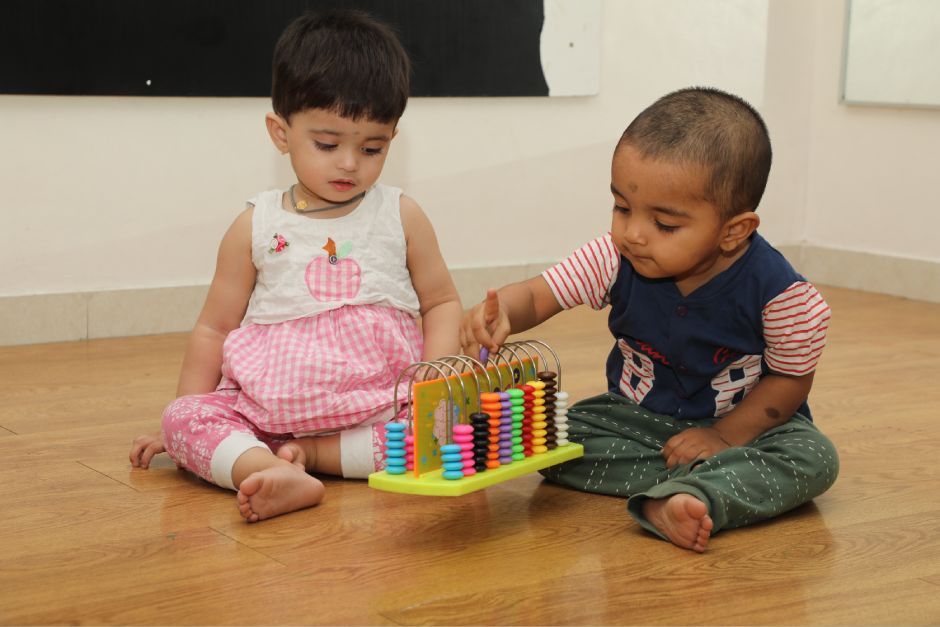
What happens when your child comes to you with a problem? Usually many of us feel the urge to solve their problems. Even when our partner, friends or even parents express something that troubles them, we find ourselves looking for a solution to their troubles and many times feel free to give them those solutions too. Our loved ones may speak to us about their pr
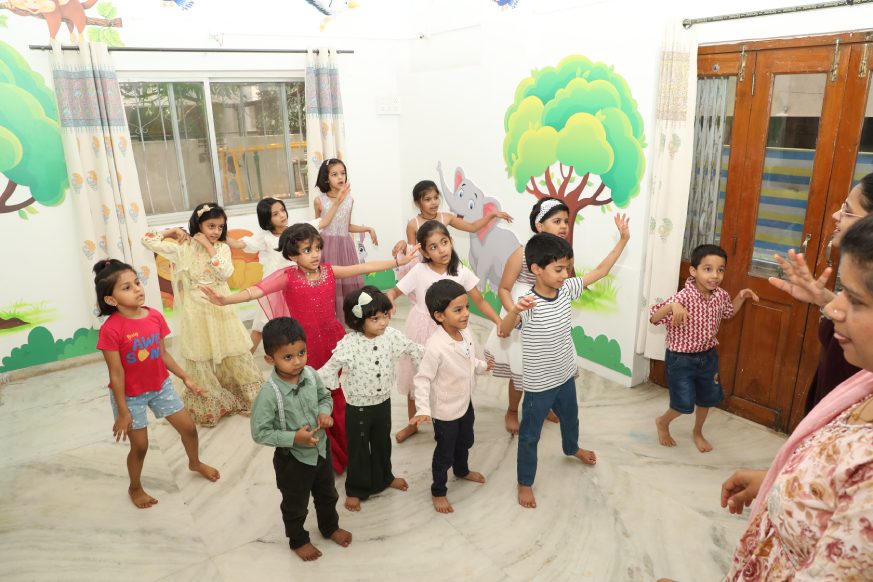
Name all the emotions you know. Can you name more than seven? There are many shades, layers and degrees of emotions with different names to tag each. When we experience emotions, we experience a mixture of emotions. Yet the vocabulary for emotions which we have is surprisingly small. A huge aspect of emotional intelligence is the ability to identify and name
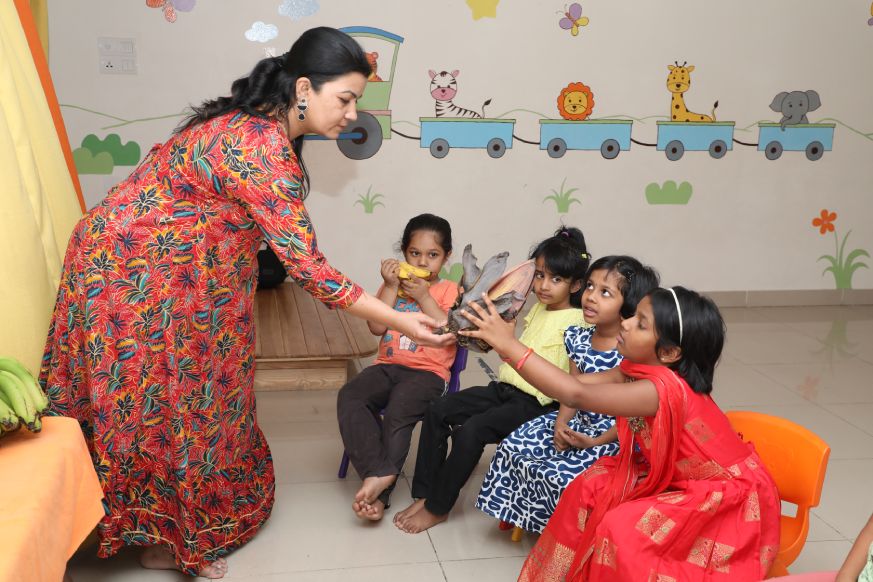
“You didn’t say hi to me, now I am upset!” “You finish your food then I’ll be happy.” “Won’t you give me a hug? I’m feeling sad now!” “When you don’t listen to me, it makes me angry!” We hear these dialogues commonly being said to kids. What happens here is that the adult feels some things like being upset or happy or sa
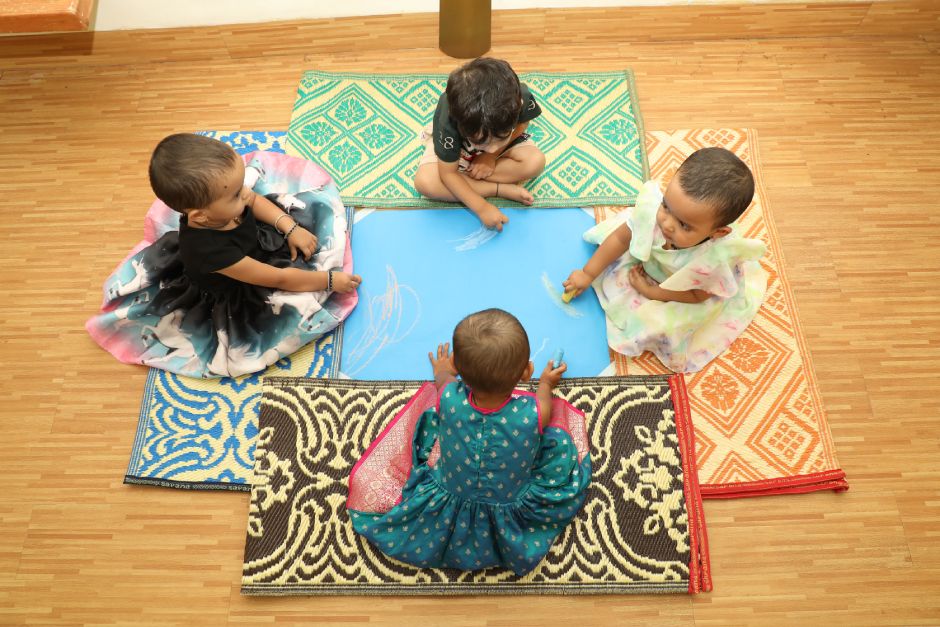
Around this age, the child’s horizons rapidly widen. Their social circle expands with the addition of many new relationships. The relationship between the child and the caregiver builds the foundation for all the future relationships of the child. One has to understand two basic principles here: The treatment the child receives from the
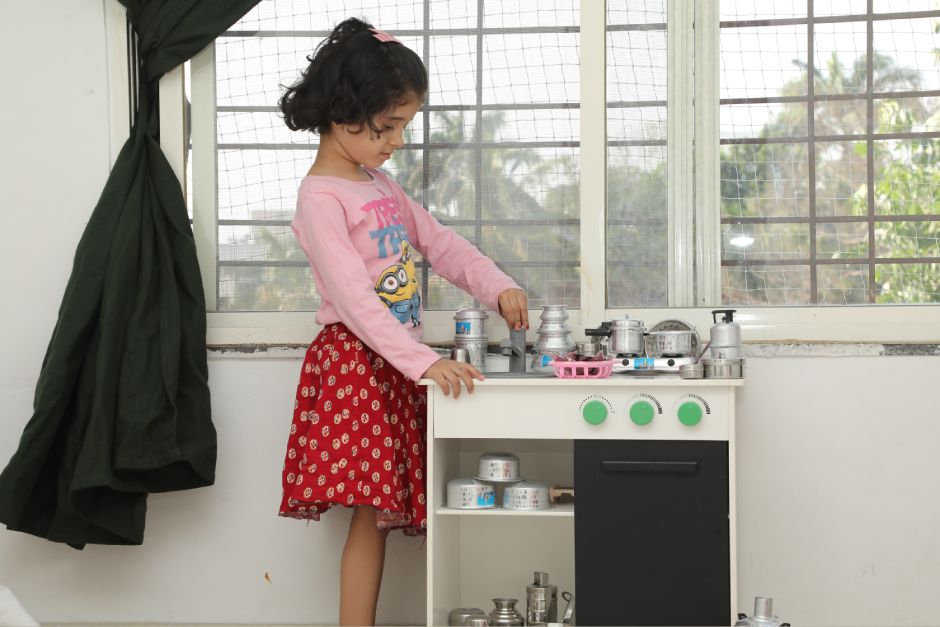
Now our child no longer looks like a baby. They may speak like an adult or their body language may begin to resemble the adults. They may also be able to do many things and say many things and think many things they didn’t do, say or think before. They also want to do things on their own and there’s a strong drive towards independence. The way we need to speak w
Have you ever been in a situation when two people were speaking something negative about you and you happened to be within earshot? If not, just for now let’s imagine. Imagine that the person sharing the negative information or opinion is the closest person in your life. What would you feel, about the close person and about yourself? Would you feel cheated?

