


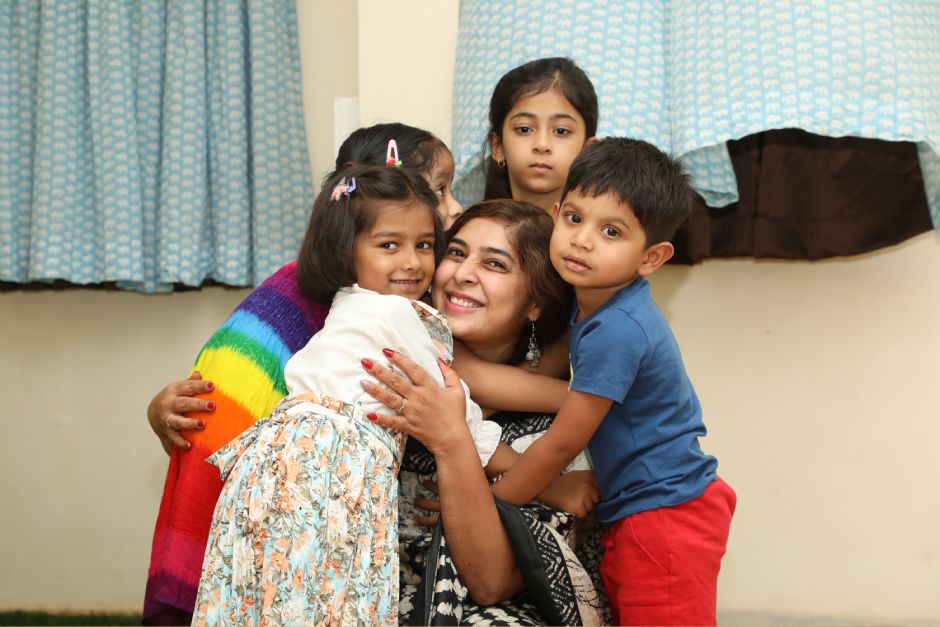
Do you love your child? Needless to answer. Does your child know how much you love them? To paraphrase Dr Gabor Mate, it doesn’t matter how much love you send to your child, what matters is how much of that love does the child receive. Does the child ‘feel’ loved? Does that child think that they are loved at all times?
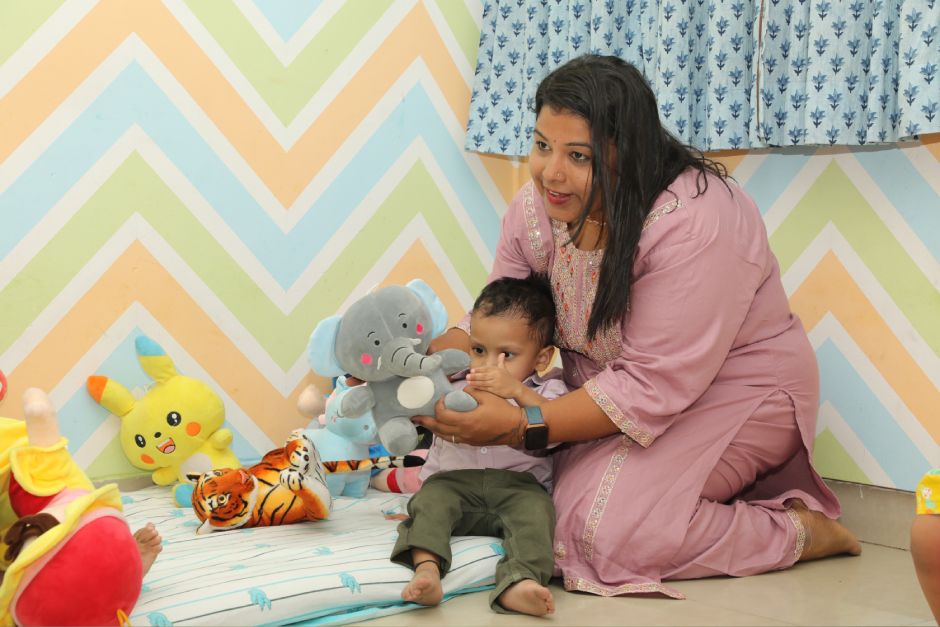
“You make such a mess.” “Why don’t you sit quietly?” “Stop shouting.” “Stop jumping.” “You don’t listen to me at all.” “You don’t have any manners!” “Why don’t you share toys?” “You don’t have any patience.” Have you said or thought any of these for your child? A

You are playing with your child and you watch your child move away from you and towards something. You realise it’s a glass object which the child never gets to play with and suddenly you realise that the object is within your child’s reach while you are far away. You blurt out “No, don’t touch that.” Guess what happens next. Most probable sc
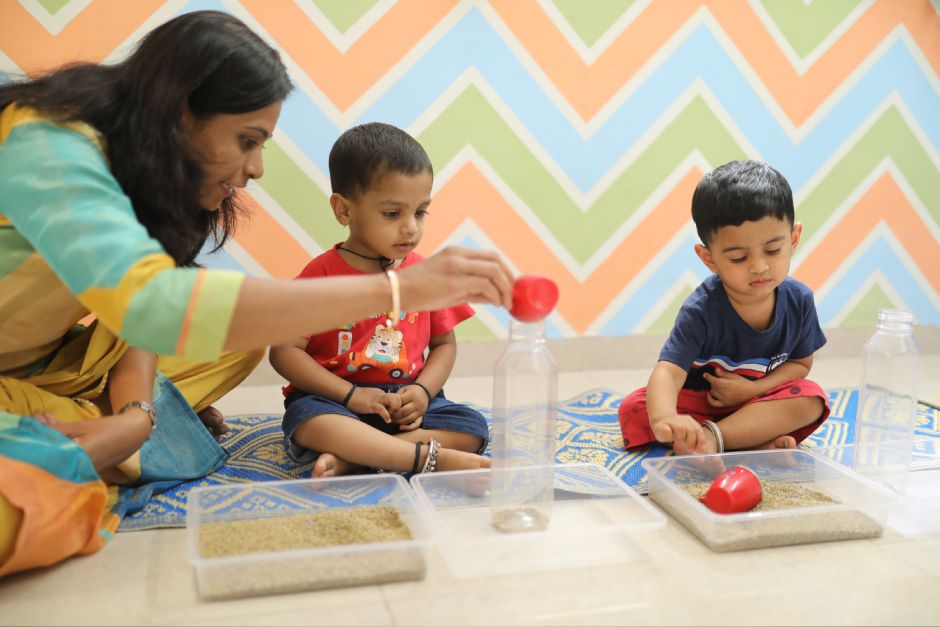
When it comes to dealing with stubbornness, we have already looked at ‘leading with a yes’ and ‘not labelling’ as two important ways. Let’s look at two more. What happens as a result of the crying in the example above is important. If your initial ‘no’ is changing to a ‘yes’ as a result of the child crying, then that means the child i
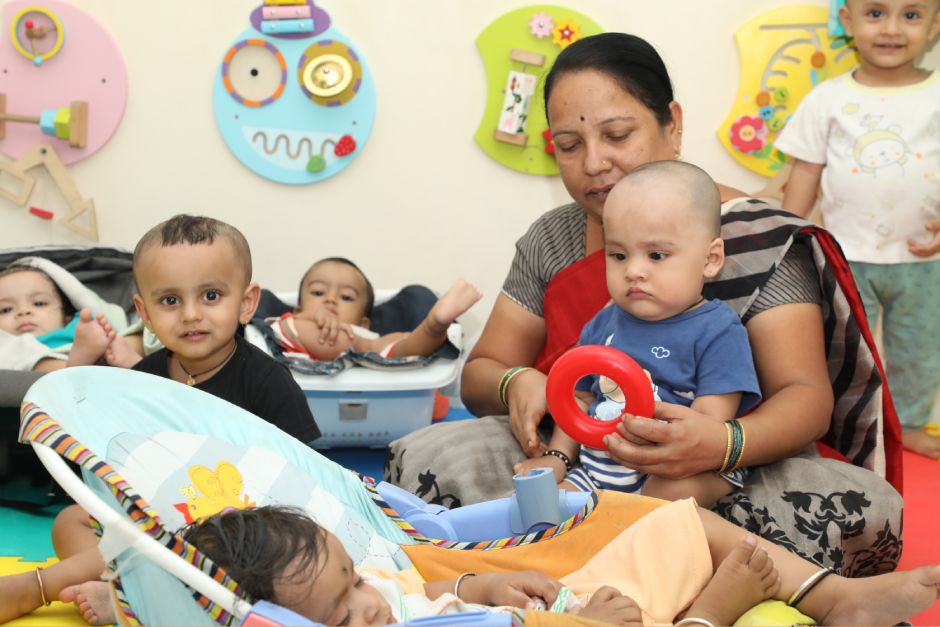
“My child is becoming more and more stubborn by the day” This is the experience of many parents around this time. Let’s look at a fourfold plan to deal with stubbornness. We are going to use an example of a child who wants a glass object and when you refuse to give it, the child cries till the time you give it. Firstly, lead with

When we speak about our child’s tantrums, we usually use the words ‘throw’. “Why are you throwing a tantrum?” “No throwing tantrums!” “Why are you doing this?” “Stop!” We also talk about “creating a fuss” or “creating a scene/drama”. This is not only with respect to our children but we may als

Providing for a baby and allowing the baby to develop in an environment which is trauma free and sensitive to the baby’s needs (not only physical but also psychological needs) is a daunting task. On this journey, all aspects of the parent, physical as well as psychological, and one may even say spiritual, are tested at various stages. For us to keep the e
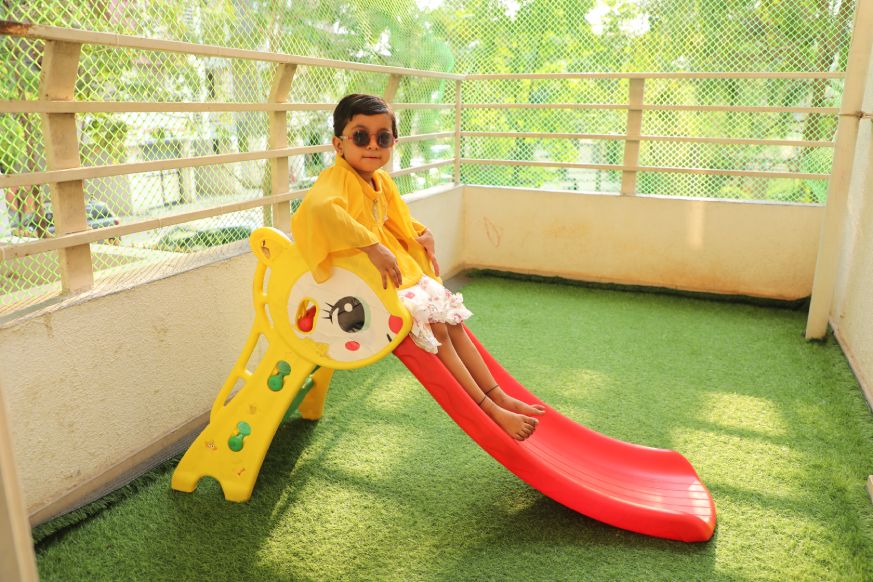
When our babies grow up, many parents find themselves wondering what it was that they were so occupied doing during the baby’s first year. Endless things are happening during the first year for us. Here are a few examples. Reorientation to the shifted anchor of life Reorientation to the new role of a parent Understanding the ba

“Don’t cry.” “stop crying.” These words are among the most common words used with kids. The truth is that crying is a distinct form of communication which we use from our first day into this world. Additionally, here are few ways in which crying helps us: The caregiver is biologically wired to respond to it Cryin

Have you lied to your child?Perhaps your child was asking too many questions when you were utterly tired or when you didn’t have the time to go into the details? Perhaps the child asked a difficult question and you would have had to really think about how to simplify the concept or you didn’t think the child would understand? Have you lied to others in fr
